Planning to get pregnant? Folic acid is one of the most important things you can start, ideally right now. This B-vitamin plays a critical role in your baby's development in the very first weeks, often before you even know you're pregnant.
In this guide, you'll find everything you need to know about folic acid: the right dose, when to start, which foods contain folate, and what international health authorities recommend.
What is folic acid, and what's the difference from folate?
Folate is a water-soluble B-vitamin (B9) that the body needs for cell division and DNA formation. Folic acid is the synthetic form of folate, the version found in supplements and fortified foods. Interestingly, your body actually absorbs folic acid from tablets more efficiently than natural folate from food.
Both terms are often used interchangeably, but the key thing to remember is this: you need both, folate from your diet and folic acid as a supplement when planning a pregnancy.
Why is folic acid so important for pregnancy?
Folate plays a unique role in early fetal development. It is essential for the closure of the neural tube, the structure that develops into your baby's brain and spinal cord.
The neural tube closes around 30 days after conception, that's roughly week 6 of pregnancy. At that point, many people don't yet know they're pregnant. This is why having good folic acid levels before pregnancy starts is so important.
According to the CDC, neural tube defects affect approximately 3,000 pregnancies in the United States each year. Research shows that folic acid supplementation can reduce the risk of neural tube defects by up to 70%.
Folate deficiency during pregnancy can lead to:
- Spina bifida, the most common neural tube defect
- Anencephaly, a more severe neural tube condition
- Other brain and spinal cord malformations
How much folic acid do you need?
The CDC and WHO have clear recommendations:
| Who | Recommended daily amount |
|---|---|
| People planning a pregnancy | 400 micrograms (0.4 mg) folic acid supplement |
| Pregnant people (1st trimester) | 400 micrograms (0.4 mg) folic acid supplement |
| Total recommended intake during pregnancy | 600 micrograms (including food sources) |
| Those with a previous neural tube defect pregnancy | 4 mg daily (consult your doctor) |
Most prenatal multivitamins already contain 400–800 micrograms of folic acid. Check the label, if yours does, you don't need an additional separate supplement.
When should you start taking folic acid?
Start taking a folic acid supplement at least one month before trying to conceive. Ideally, begin at the same time as stopping contraception. Many healthcare providers recommend starting up to three months in advance to build up adequate levels.
Haven't planned the pregnancy? Start as soon as you find out or suspect you're pregnant. Starting later is still much better than not starting at all.
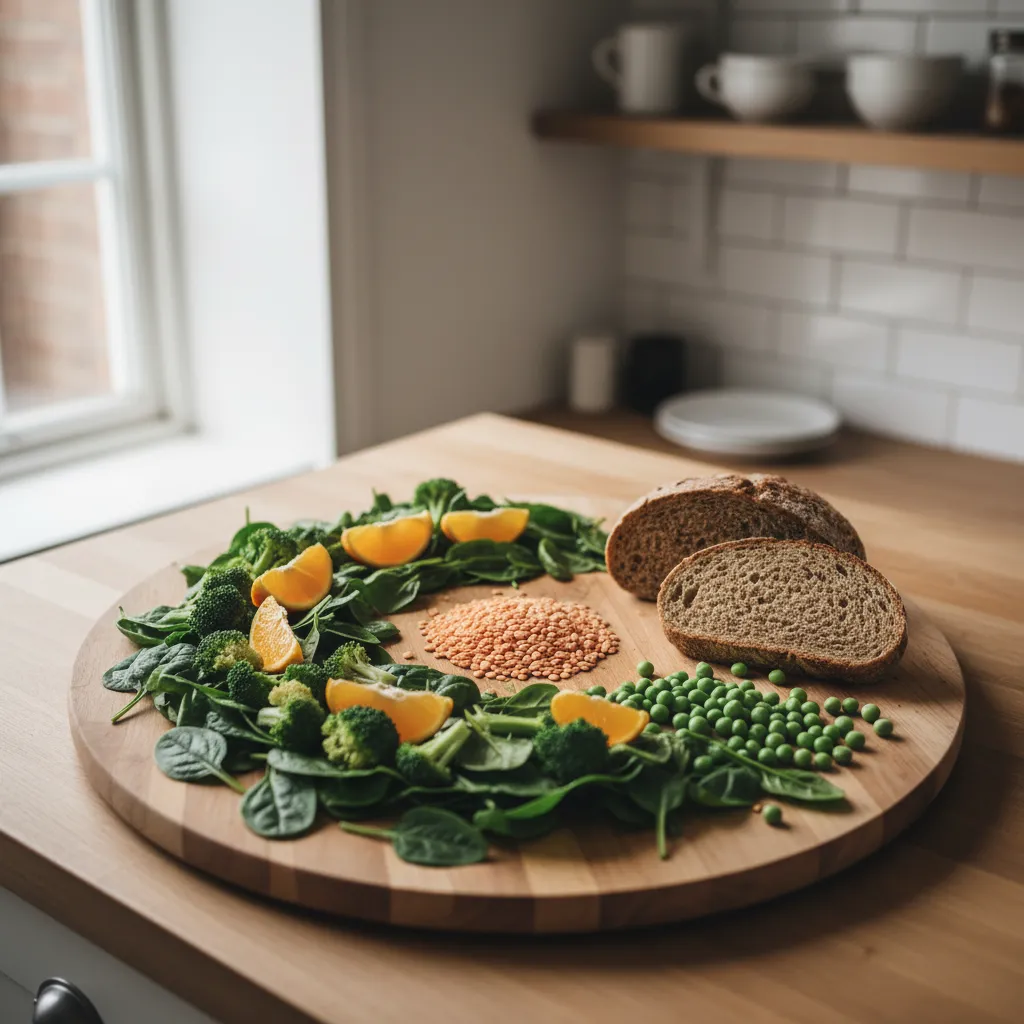
Folic acid in food: The best sources
A varied diet provides natural folate, but research shows that most people don't get enough through food alone. The CDC and WHO recommend supplements in addition to dietary sources, not instead of them.
Here are the best food sources of folate:
Vegetables:
- Spinach and other dark leafy greens
- Broccoli and Brussels sprouts
- Romaine lettuce and asparagus
Legumes:
- Beans, lentils, and chickpeas
- Peas
Grains and cereals:
- Whole grain bread and pasta
- Fortified breakfast cereals (check labels, some provide 100% of daily folate)
Other sources:
- Citrus fruits (orange, grapefruit)
- Eggs
- Liver (note: liver should be limited during pregnancy due to high vitamin A content, speak to your provider)
Folate is easily destroyed by heat. Eating vegetables raw, or steaming rather than boiling, preserves more of their natural folate content.
Choosing a folic acid supplement
Folic acid supplements are available over the counter at pharmacies and health food stores. You can choose between:
- Standalone folic acid tablets, contain only folic acid (400 micrograms)
- Prenatal multivitamins, contain folic acid plus other key nutrients such as vitamin D, iodine, and iron
Both work equally well, but a prenatal multivitamin can be convenient because it covers multiple needs at once. The WHO also recommends supplementing vitamin D and iodine during pregnancy, both of which are often included in prenatal formulas.
Who needs a higher dose?
Some people should take a higher dose (4 mg daily), always in consultation with a doctor:
- Those who have previously had a pregnancy affected by a neural tube defect
- Those taking certain epilepsy medications
- Those who have a neural tube defect themselves, or whose partner does
Other supplements worth knowing about
When planning a pregnancy, folic acid comes first, but there are other nutrients to consider:
- Vitamin D: 600 IU daily, especially if you have limited sun exposure or eat little fatty fish
- Iodine: 150–220 mcg daily, important for the baby's brain development
- Iron: Levels checked via blood test early in pregnancy
- Omega-3 (DHA): 200 mg daily if you eat little fish
A prenatal vitamin taken from preconception onwards typically covers most of these.
Frequently asked questions
Can I take too much folic acid?
There are no known risks at the standard 400 microgram dose. Excess folic acid is excreted in urine. At very high doses, there is a theoretical risk of masking B12 deficiency, but this is not a concern at recommended doses.
Does my partner also need folic acid?
Folic acid is primarily recommended for the person who is or may become pregnant. Some research suggests folate may have a positive effect on sperm quality, but this is not part of mainstream clinical guidelines.
What if I'm already pregnant and haven't started?
Start right away. Even if you're a little late, folic acid is still beneficial throughout the entire first trimester. Mention it at your first prenatal appointment.
Next steps: From folic acid to pregnancy
Starting folic acid is a great first step on the road to pregnancy. Here are some useful resources if you're trying to conceive:
- Ovulation calculator, find your most fertile days
- Due date calculator, estimate your due date
- Tips for getting pregnant
- Preparing your body for pregnancy
The CDC estimates that only about 1 in 3 women in the US takes folic acid before becoming pregnant. By reading this guide and acting now, you're already ahead.
Sources
- CDC. Folic Acid
- WHO. Folic acid supplementation in pregnancy
- American College of Obstetricians and Gynecologists (ACOG)
- National Institutes of Health. Folate
🔧 Helpful Tools
- All Baby Tools. Browse all free tools for pregnancy and baby care
📖 Related Articles
- How to Increase Your Chances of Getting Pregnant: Practical Tips. Boost your chances of getting pregnant with these evidence-based tips. From folic acid to timing, everything you need to know based on international health guidelines.