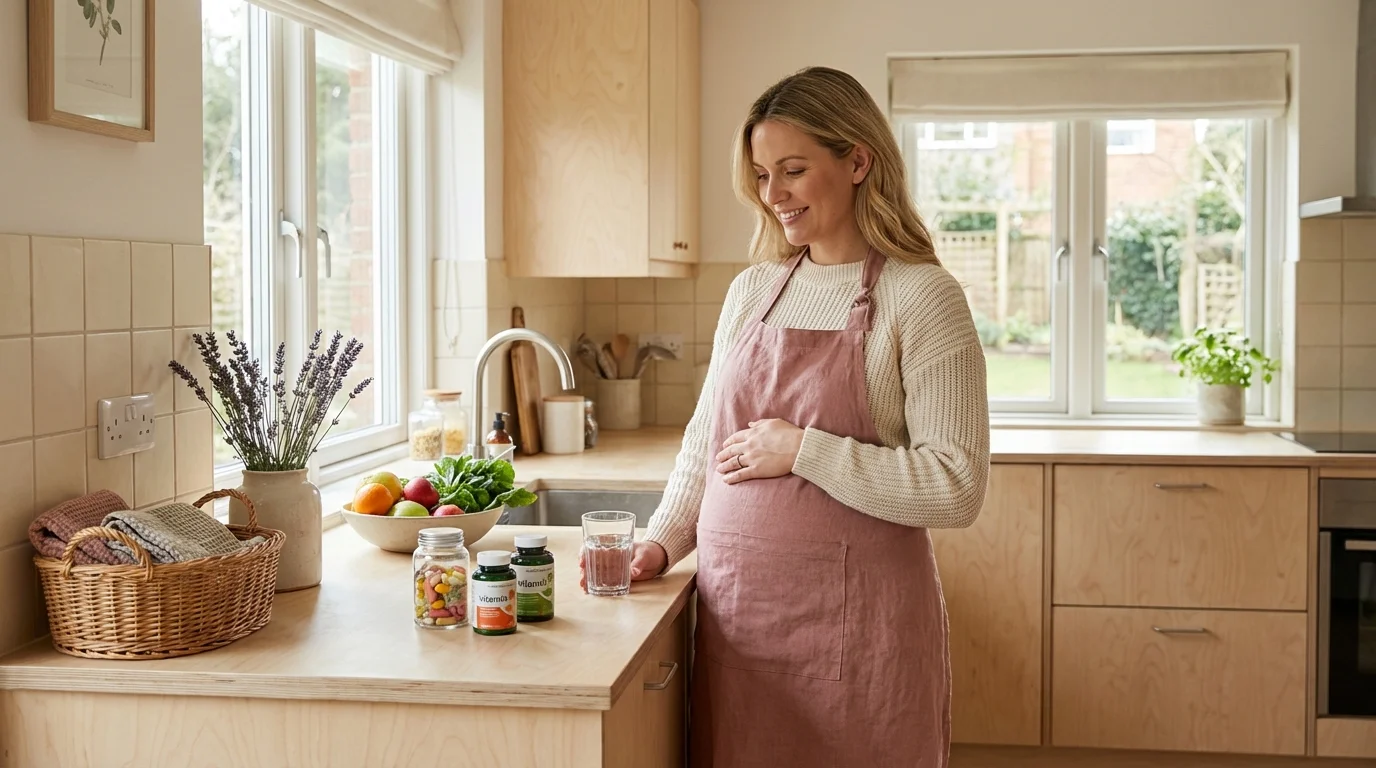
Dreaming of having a baby? Start preparing now.
Your body needs time to get ready for pregnancy. With a few simple steps, you can increase your chances of conceiving, and give your baby the best possible start.
Start folic acid today
Folic acid is the single most important thing you can do. Full stop.
Take 400 micrograms daily, ideally 1–3 months before you start trying to conceive. This prevents neural tube defects such as spina bifida and other serious conditions.
The neural tube closes just 28 days after conception, often before you even know you are pregnant. That is why you need to start early.
Only about 1 in 5 women start taking folic acid as recommended before conception. Do not be part of that statistic.
Quit smoking and alcohol
There is no safe level here.
Smoking reduces fertility in both you and your partner. Alcohol can cause miscarriage and damage the developing baby's brain. Recreational drugs carry similar risks.
Best advice: Stop completely when you decide to start trying.
Eat for two, but not double portions
You do not need to eat more. You need to eat smarter.
Prioritize these foods:
- Green vegetables (broccoli, spinach)
- Fatty fish 2–3 times per week
- Whole grains
- Beans and lentils
- Citrus fruits
Avoid processed meats, excess sugar, and empty calories.
Weight affects fertility
A healthy weight gives the best chance of conceiving.
Both overweight and underweight can disrupt ovulation. Talk to your doctor if you are unsure what a healthy weight looks like for you.
Stay active
Exercise reduces stress and boosts fertility.
You do not need to become a marathon runner. Daily walks, swimming, or yoga are perfect. But be careful, over-exercising can actually stop your period.
Check your medications
Some medications are not safe during pregnancy.
Are you taking regular medication? Talk to your doctor before you start trying. This applies to over-the-counter medications and herbal supplements too.
Never stop taking medication without medical advice.
Managing a chronic condition? Plan ahead
Do you have diabetes, epilepsy, or a thyroid condition?
If so, plan your pregnancy together with your doctor. Some conditions require medication adjustments or closer monitoring during pregnancy.
Supplements you may need
Beyond folic acid, you may benefit from:
- Vitamin D, especially if you eat little fatty fish or have limited sun exposure
- Iodine, important for the baby's brain development
- Omega-3 (DHA), for nervous system and brain development
- B12, essential if you follow a vegetarian or vegan diet
A prenatal multivitamin covers most bases. Ask your pharmacist or doctor for a recommendation.
Know your cycle
You can only conceive during a few days each month.
Ovulation typically occurs about 14 days before your next period. The days around ovulation are your fertile window. An ovulation test can help you identify them.
Pre-pregnancy checklist
- Start folic acid (400 micrograms daily)
- Stop smoking and alcohol
- Eat a healthy, varied diet
- Exercise regularly
- Talk to your doctor about medications
- Reach a healthy weight
- Learn your menstrual cycle
Frequently asked questions
How early should I start taking folic acid?
Start taking 400 micrograms of folic acid daily at least 1–3 months before you try to conceive. The neural tube closes just 28 days after conception, so you need folic acid in your system before you know you are pregnant.
Which supplements do I need before pregnancy?
Folic acid is the most important. Vitamin D, iodine, and omega-3 (DHA) are also recommended. A prenatal multivitamin covers most of these. Ask your pharmacist or doctor for guidance.
Can exercise affect my chances of getting pregnant?
Yes, regular moderate exercise boosts fertility and reduces stress. But over-exercising can stop your period. Daily walks, swimming, or yoga are ideal.
When should you see a doctor?
Contact your doctor if:
- You have chronic health conditions
- You take regular medication
- You have a history of eating disorders
- You are struggling with your mental health
- You have been trying for over a year without success (or 6 months if you are over 35)
Further reading
- Ovulation tracking tools, find your fertile days
- Tips for getting pregnant
- Nutrition during pregnancy
Sources
🔧 Helpful Tools
- Due Date Calculator. Calculate your estimated due date
- Contraction Timer. Track your contractions during labor
- All Baby Tools. Browse all free tools for pregnancy and baby care
📖 Related Articles
- How to Increase Your Chances of Getting Pregnant: Practical Tips. Boost your chances of getting pregnant with these evidence-based tips. From folic acid to timing, everything you need to know based on international health guidelines.
- How Long Does It Take to Get Pregnant? Statistics and Facts. How long does it actually take to get pregnant? Chances by age, a timeline of what is normal, and when you should seek help.