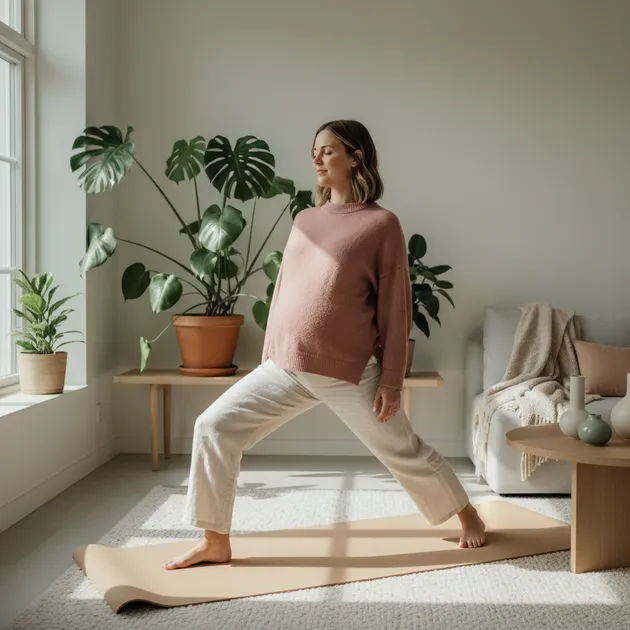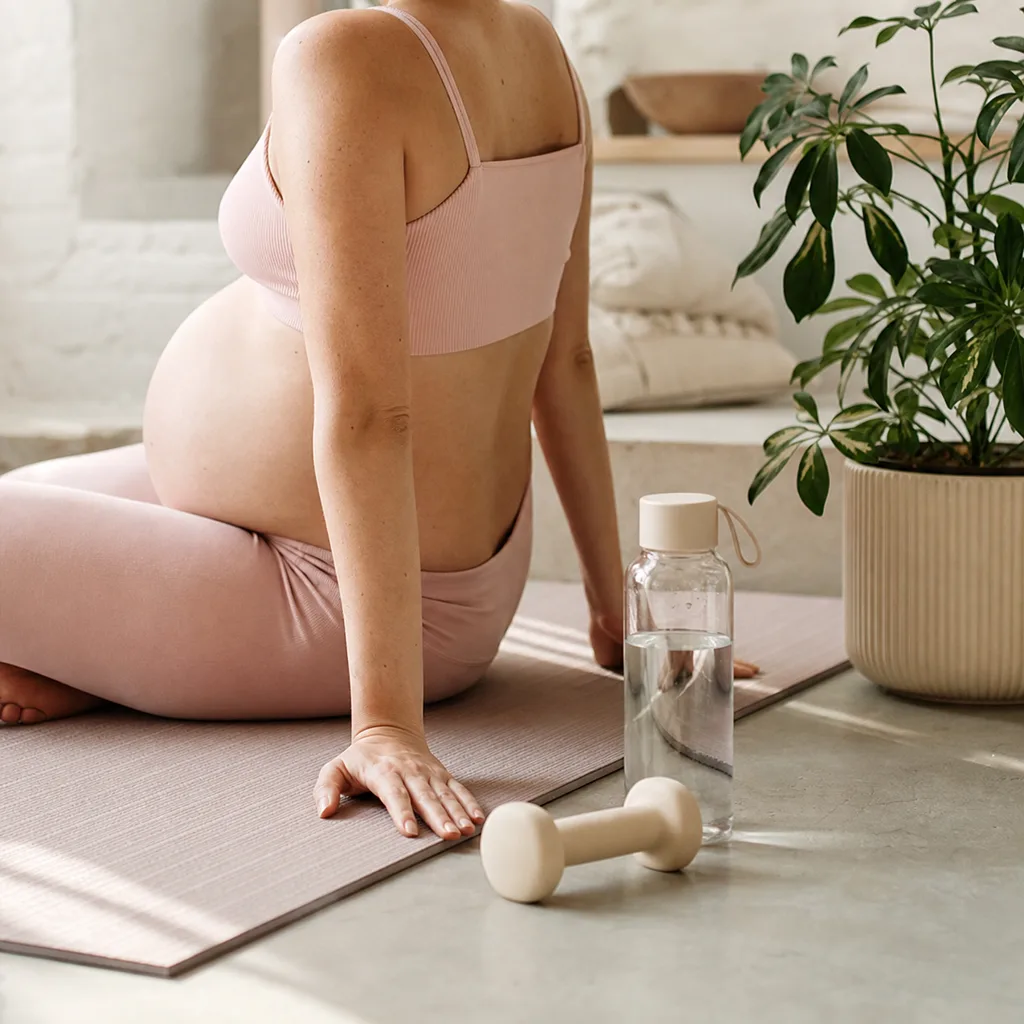
You're pregnant and wondering if it's safe to exercise. Maybe you're unsure what you can do, or you've received conflicting advice from friends and family. The simple answer: exercise during pregnancy is not only safe, it's recommended.
WHO and major health organizations recommend pregnant women get at least 150 minutes of moderate-intensity physical activity per week. Research shows that exercise leads to an easier pregnancy, fewer complications, and faster recovery after birth.
Why is exercise good during pregnancy?
Regular physical activity during pregnancy has a range of documented benefits:
- Fewer pregnancy discomforts such as back and pelvic pain
- Lower risk of gestational diabetes and preeclampsia
- Better sleep and more energy in daily life
- Reduced risk of depressive symptoms
- Easier labor with lower risk of cesarean section
- Faster recovery after birth
- Healthier birth weight for your baby
Pregnant women who are physically active experience easier pregnancies and births. Even women who didn't exercise before pregnancy can start carefully and gradually build up their activity level.
What kind of exercise is recommended?
Health guidelines recommend varied activity that includes both strength and cardiovascular training. The goal is at least 150 minutes of moderate intensity per week, spread across as many days as suits you.
Good activities for pregnant women
- Brisk walking, simple, free, and gentle on the body
- Swimming, takes the weight off your body and gives a weightless feeling
- Strength training, with adaptations (avoid heavy lifting and heavy abdominal pressure)
- Cycling, preferably on a stationary bike for better balance
- Prenatal yoga, strengthens the body and provides relaxation
- Dancing, fun and great cardio
- Cross-country skiing, great full-body activity (with care on terrain)
Pelvic floor training is especially important
Pelvic floor exercises are recommended for all pregnant women. Strong pelvic floor muscles can prevent urinary leakage during and after pregnancy, and contribute to better control during labor.
Train your pelvic floor daily: squeeze as hard as you can, hold for 6–8 seconds, and do 8–12 repetitions. Vary between lying, sitting, and standing positions.
Trimester-by-trimester adaptations
First trimester (weeks 1–12)
Many experience nausea and fatigue in the first trimester. Listen to your body and adapt your activity to how you feel each day.
- You can continue with the activity you were used to before pregnancy
- Reduce intensity if you feel sluggish or nauseous
- Some activity is always better than none
- Avoid overheating, drink enough water and avoid exercising in extreme heat
Second trimester (weeks 13–27)
Many find their energy returns, and this is often the best period for exercise.
- Your belly is growing, and you may need to adapt your exercise selection
- Avoid exercises on your back for extended periods if you experience dizziness
- Heart rate is naturally higher in pregnancy; use the Borg scale (perceived exertion) rather than heart rate monitoring
- Focus on good technique and controlled movements
Third trimester (weeks 28–40)
Your body is heavier and you may experience more pressure in the pelvis and back.
- Adapt the intensity further, a slower pace is perfectly fine
- Swimming and water aerobics may feel especially good
- Continue with pelvic floor training
- Short sessions are better than no sessions
- Don't stress if you can't do as much as before
Moderate intensity means you're breathing harder than usual, but can still say short sentences. You don't need to be exhausted for exercise to be effective.
What should you avoid?
Some activities should be avoided during pregnancy. Guidelines recommend steering clear of:
- Contact sports such as soccer, handball, basketball, and martial arts
- Activities with high fall risk such as horseback riding, downhill skiing, gymnastics apparatus, and diving
- Scuba diving, pressure changes can harm the fetus
- Very heavy lifting that significantly increases abdominal pressure
- Exercise at high altitude (above 2,500 meters) if you're not acclimatized
Warning signs where you should stop exercising
Stop immediately and contact your doctor or midwife if you experience:
- Vaginal bleeding
- Rupture of membranes or amniotic fluid leakage
- Chest pain or heart palpitations
- Severe headache or visual disturbances
- Dizziness that doesn't pass with rest
- Severe abdominal pain
- Painful contractions
Who needs medical clearance?
The vast majority of healthy pregnant women can exercise safely. But some conditions require extra monitoring and individualized advice from a doctor or midwife:
- Threatened preterm labor
- Preeclampsia
- Placenta previa after week 26
- Multiple pregnancy with complications
- Cervical cerclage
- Severe anemia
Do you have a medical condition or complications in your pregnancy? Always talk to your doctor or midwife before exercising. They can give you individually tailored advice.
Practical tips for your exercise routine
Getting started
- Set realistic goals, three to four short sessions per week is great
- Find a workout buddy or a prenatal exercise group
- Schedule exercise into your week like a fixed appointment with yourself
- Remember that 30 minutes of brisk walking counts fully
Keeping motivated
- Vary between different activities
- Listen to your body and be flexible with your plan
- Remember why you're doing it, for your own and your baby's health
- Don't compare yourself to other pregnant women or to your pre-pregnancy self
Practical tips
- Wear comfortable workout clothes with good support
- Drink plenty of water before, during, and after exercise
- Eat a light meal 1–2 hours before exercising
- Avoid exercising in strong heat or direct sun for extended periods
Exercise after birth
After giving birth, most people can start carefully with physical activity quite quickly. Begin with short walks and daily pelvic floor exercises, and increase gradually.
Wait with heavier loads and running until your pelvic floor is strong enough. A physiotherapist can help you assess when you're ready.
Frequently asked questions
Can I run while pregnant?
Yes, if you were running regularly before becoming pregnant, you can continue with adaptations. Reduce intensity and distance as your belly grows. Choose even surfaces and listen to your body. If you haven't run before, it's better to choose brisk walking.
Is it dangerous for the baby if I exercise hard?
Exercise at moderate intensity is safe for the baby. Very intense exercise over a long period could theoretically reduce blood supply to the uterus, but this only applies to extreme sports. Follow the recommendation for moderate intensity, and you can exercise with a clear conscience.
I have pelvic girdle pain, can I exercise?
Yes, but you need to find activities that don't cause pain. Swimming, cycling on a low seat, and suspension training can work well. Avoid lunges, side steps, and stride lengths that provoke the pain. A physiotherapist can help you with a tailored program.
How long after birth can I start exercising again?
You can start carefully with pelvic floor exercises and gentle walks as early as the first few days after a normal birth. Increase gradually and listen to your body. After a cesarean section, you should wait at least 6–8 weeks before more demanding exercise.
Sources
- WHO. Physical activity guidelines during pregnancy
- American College of Obstetricians and Gynecologists (ACOG). Exercise during pregnancy
- American College of Nurse-Midwives
🔧 Helpful Tools
- Due Date Calculator. Calculate your estimated due date
- Contraction Timer. Track your contractions during labor
- All Baby Tools. Browse all free tools for pregnancy and baby care
📖 Related Articles
- Prenatal Yoga: Safe Exercise for Pregnant Women. Yoga is safe and beneficial during pregnancy. Learn which exercises suit each trimester and what to avoid.
- Back Pain During Pregnancy: Causes, Prevention, and Relief. Back pain while pregnant? Here are the causes, exercises that help, and when to contact your doctor. Safe measures for all trimesters.
- Pelvic Girdle Pain in Pregnancy: Symptoms, Exercises, and Treatment. Experiencing pelvic pain during pregnancy? Learn about the symptoms of pelvic girdle pain, exercises that help, and when to seek treatment.