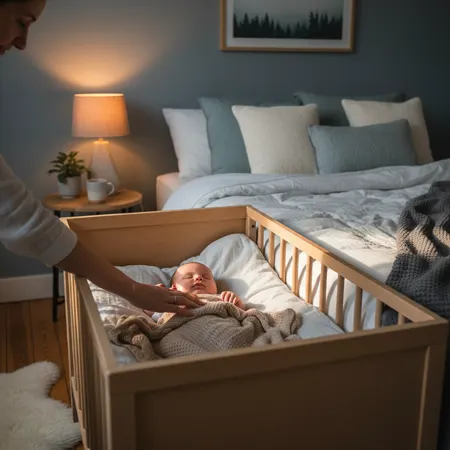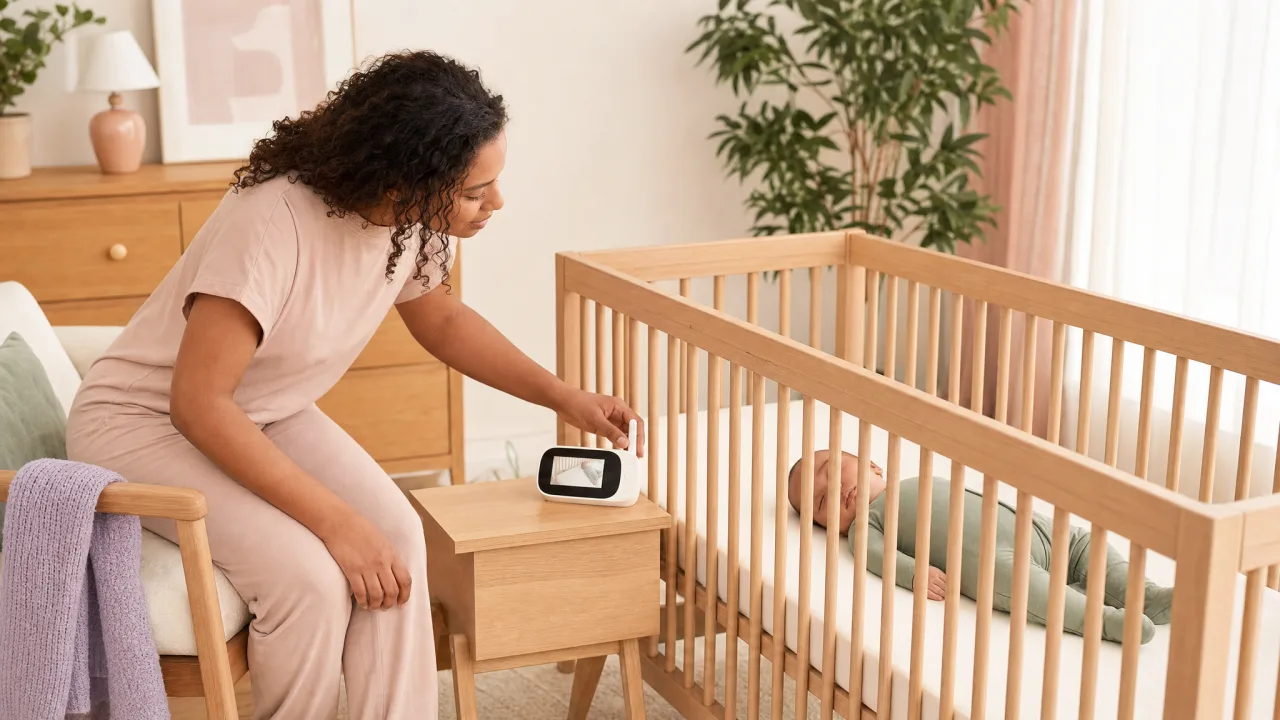
Finding the right travel bed for a newborn comes down to three things: safety certification, portability, and how long it will actually be useful. A portable bassinet works well for the first 3–4 months; a full travel crib carries a baby through toddlerhood. Knowing which type suits your travel style, weekend road trips, international flights, hotel stays, or grandparents' houses, is the first decision, and the rest follows from there.
Key Takeaways
- Always choose a product that meets current CPSC standards for travel cribs or bassinets; reject anything marketed as a "sleeping pod" or "lounger."
- AAP requires a firm, flat sleep surface even when traveling, tilted or soft-sided products are not safe sleep environments.
- Portable bassinets are lighter and more compact but have a shorter usable lifespan (typically 0–4 months or 15 lbs).
- Full travel cribs accommodate babies through toddlerhood (up to 30–35 lbs) and are the better long-term investment for frequent travelers.
- Setup complexity matters: a travel crib you dread assembling will stay in the car.
- The NICHD Safe to Sleep campaign explicitly warns against improvising with hotel cribs that are old or broken; always request an up-to-date, certified crib from the front desk.
Why Safe-Sleep Standards Matter Even More When Traveling
The AAP's 2022 sleep guidelines, updated in 2024, are unambiguous: babies should sleep on a firm, flat surface with a fitted sheet, in their own space, free of loose bedding, pillows, and positioners. These rules don't pause when you're away from home.
Travel fatigue and unfamiliar environments increase the temptation to take shortcuts, letting the baby sleep in the car seat overnight, sharing an adult bed "just this once," or using a travel product that hasn't been safety-tested. The CPSC data shows that sleep-environment incidents are disproportionately likely to occur during travel when caregivers are sleep-deprived and improvising.
The safest travel sleep surface is one that:
- Has passed ASTM F2194 (bassinet standard) or ASTM F406 (play yard/travel crib standard)
- Is marked with a current JPMA certification or CPSC compliance statement
- Has a firm, flat mattress that fits snugly with no more than two finger-widths of gap on any side
- Has mesh or breathable sides if enclosed
Reject any product that tilts, has a curved or inclined surface, contains padding inside the sleep area, or is marketed as a "co-sleeping dock."
Types of Travel Beds. Which One Is Right for Your Trip?
1. Portable Bassinets (0–4 months / up to ~15 lbs)
Portable bassinets are the lightest and most compact option. They fold down to roughly backpack size and can often fit in an overhead bin. The trade-off is a short usable window, most have a 15 lb or 4-month weight limit.
Best for: Families who take frequent short trips in the first few months, grandparent visits, or as a beside-the-bed sleeper in a hotel room.
What to look for:
- Firm, flat mattress with no incline
- Mesh sides for airflow
- ASTM F2194 compliance
- One-handed fold mechanism (important at 2 AM in a dark hotel room)
- Carry case included
What to avoid: Any product marketed as a "lounger," "nest," or "snuggler", these have not been certified for unattended sleep.
2. Full Travel Cribs / Play Yards (0–35 lbs)
Full travel cribs double as play yards and grow with the baby through toddlerhood. They're heavier (typically 12–18 lbs) and require a rolling suitcase or dedicated bag, but the longer usable lifespan and structural stability make them the preferred choice for extended travel.
Best for: Road trips, longer stays, families who prefer one product that works from newborn through toddler age.
What to look for:
- ASTM F406 or F3347 certification
- Weight under 15 lbs if you need to fly with it (airline overhead bins vary)
- Tool-free assembly in under 5 minutes (test this before you leave home)
- Bassinet insert included for newborns (some models include this; others sell it separately)
- Waterproof mattress pad
Note: Check whether the included mattress meets the thickness requirement for the specific model, some travel crib mattresses on the market are too thin and must be supplemented with an approved insert.
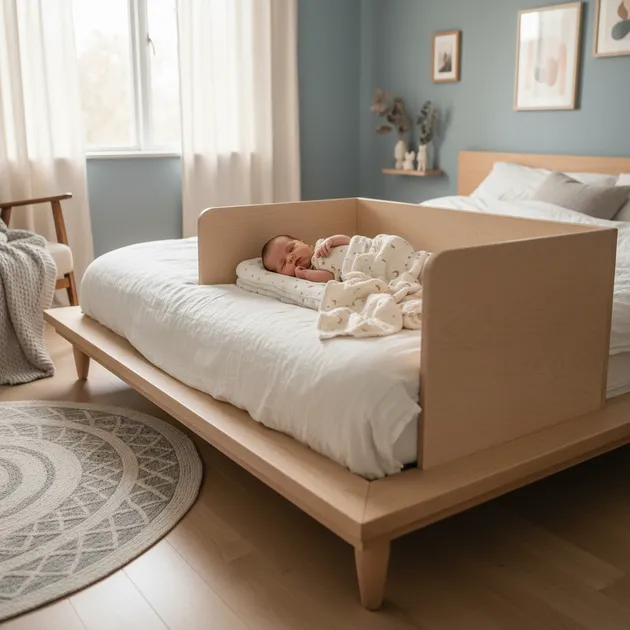
3. Bedside Travel Sleepers (0–6 months)
These clip or strap to an adult bed at the same height, allowing close access for nighttime feeding without bedsharing. They are not true independent cribs but are popular for breastfeeding parents in hotel rooms.
Safety note: Only use a bedside sleeper that is certified for independent sleep (ASTM F2906) and ensure the attachment mechanism holds the unit firmly flush against the adult mattress with no gap. Never leave this setup unattended with an active baby.
Key Features to Evaluate Before Buying
Mattress firmness: Press the center of the mattress flat with your palm. It should spring back immediately and not conform to the shape of your hand. Soft-sinking mattresses are a suffocation risk.
Assembly speed: Time yourself assembling the unit before your first trip. If it takes more than 5 minutes or requires a manual, practice until it's automatic. Sleep-deprived travel + complex setup = dangerous improvisation.
Ventilation: Enclosed units (with roof/canopy) must have mesh panels on at least two sides for adequate airflow.
Weight and carry form: Determine whether you need airline-carry-on compatibility or just car-transport portability. A 17 lb travel crib is easy in a minivan but brutal on a connecting flight.
Transition lifespan: If you plan to travel frequently through toddlerhood, invest in a travel crib. If this is one short-haul trip, a portable bassinet may be sufficient.
When to Use What. A Quick Reference
| Scenario | Recommended type |
|---|---|
| Weekend visit to grandparents (baby under 4 months) | Portable bassinet |
| International flight, baby under 6 months | Compact certified bassinet (fits overhead bin) |
| Road trip, baby 2–18 months | Full travel crib/play yard |
| Hotel stay, breastfeeding overnight | Bedside travel sleeper (certified) |
| Baby is over 15 lbs / 4 months | Full travel crib only |
What to Do If the Hotel Crib Looks Unsafe
The NICHD advises parents to inspect hotel-provided cribs before use. Check for:
- No missing or loose hardware
- No torn, thin, or non-fitted mattress
- No gaps between mattress and crib rail greater than two finger-widths
- No drop-side mechanism (drop-side cribs have been banned in the US since 2011)
If the hotel crib is questionable, request a different one or use your own travel product. This is not a neurotic ask, it is appropriate parental diligence.
🔧 Helpful Tools
Use these free Babysential tools to prepare for newborn travel:
- Checklists. Build a personalized packing checklist for travel with a newborn so you never leave the sleep setup at home.
- Smart Start. Personalized early-weeks guidance including sleep setup tips for newborns, whether at home or on the road.
- Sleep Tracker. Track your newborn's sleep patterns while traveling; helps spot disruptions and reset the routine faster on return.
- Milestones. Monitor development so you know when your baby is approaching the weight limit for a portable bassinet and needs an upgrade.
Sources
- American Academy of Pediatrics. Safe Sleep Recommendations: https://www.healthychildren.org/English/ages-stages/baby/sleep/Pages/a-parents-guide-to-safe-sleep.aspx
- U.S. Consumer Product Safety Commission. Cribs Safety Education: https://www.cpsc.gov/Safety-Education/Safety-Education-Centers/cribs
- NICHD Safe to Sleep. Traveling with Your Baby: https://safetosleep.nichd.nih.gov/safe-sleep-basics/where/travel
Disclaimer: This article is for informational purposes only and does not constitute medical or safety advice. Always verify product certifications and consult your pediatrician with questions about safe sleep for your baby.