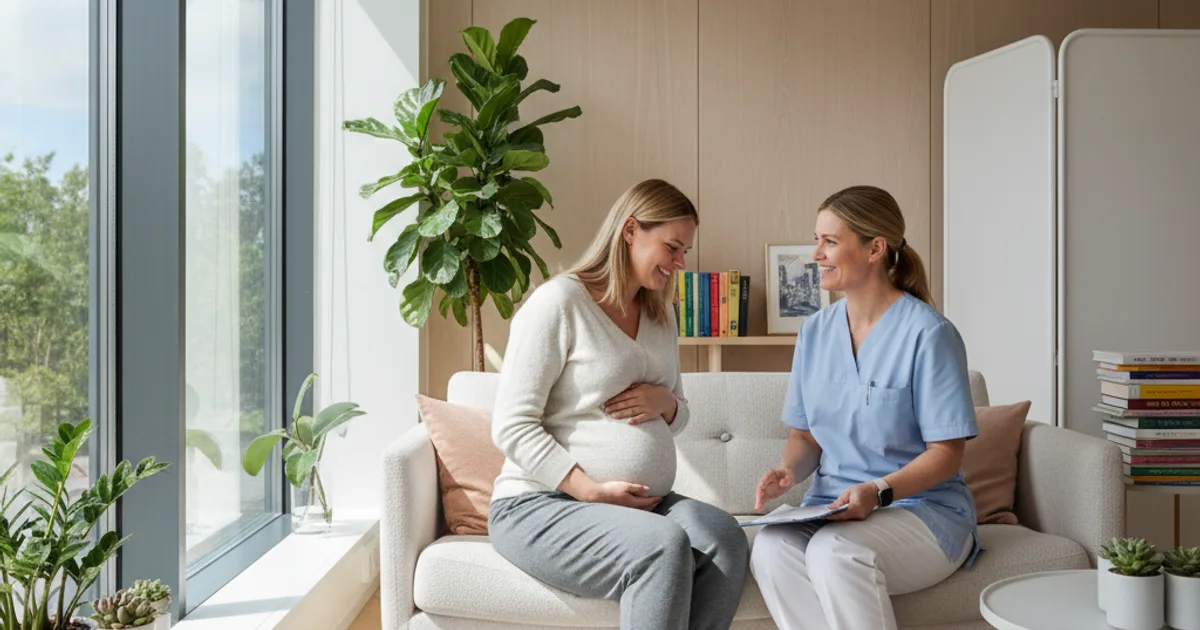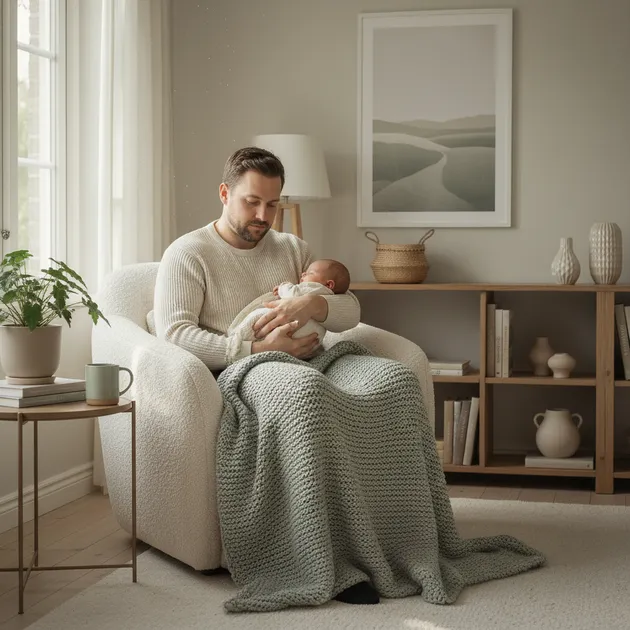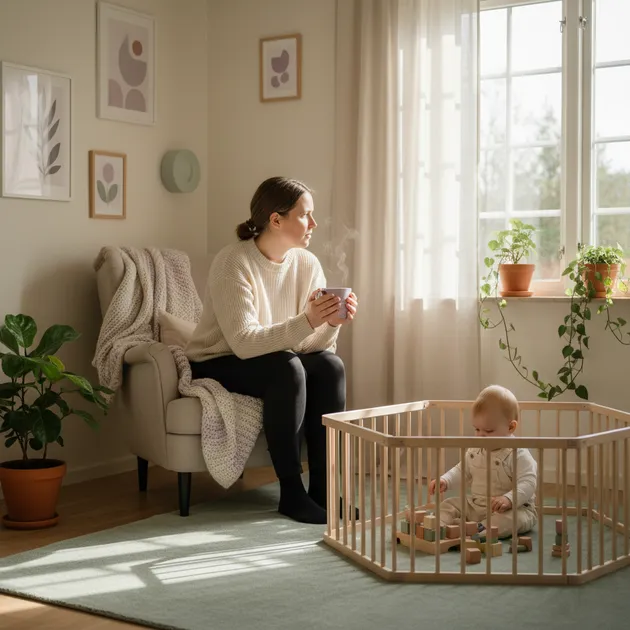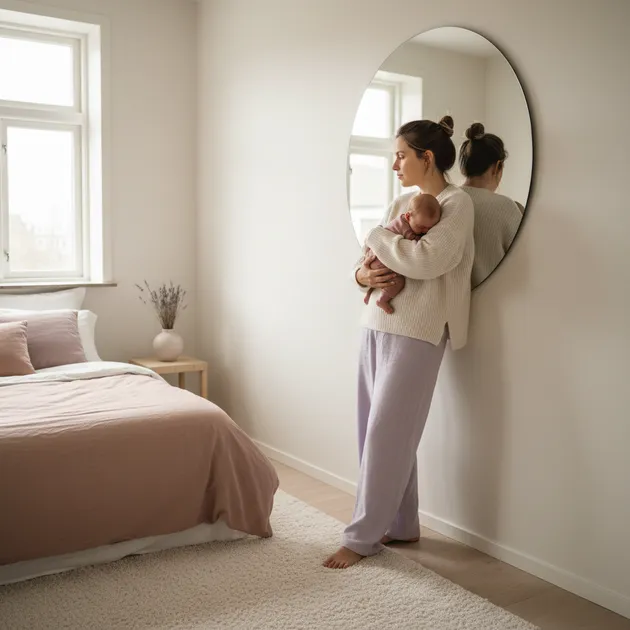
You became a parent. And suddenly you are someone else.
The hobby you loved feels distant. Your friends meet without you. The mirror shows a face you do not quite recognize. And in the midst of all the love for your child, there is a quiet question: who am I now?
If any of this resonates, take a breath. You are neither selfish nor ungrateful. You are in the middle of one of life's biggest upheavals.
Matrescence. A Word You Deserve to Know
Psychologist Daniel Stern described the psychological shift of becoming a parent in the 1990s. More recently, the term "matrescence" has gained traction, it describes the psychological and identity transformation that occurs when a person becomes a parent.
Just as puberty changes you fundamentally, parenthood does the same. The brain changes. Priorities change. The entire framework of your life shifts.
And just like in puberty: it is allowed to feel confusing.
What Nobody Talks About
It is entirely possible to love your child intensely and at the same time miss who you were. These two feelings can coexist.
The Grief Over Freedom
You used to control your own time. You could walk out the door without planning. Spontaneity was a given. Now everything requires coordination, and the days no longer belong to you.
This grief is real, even if nobody likes to talk about it.
A Body That Feels Foreign
Your body has done something extraordinary, but it may not feel like your own. Shapes have changed. Clothes fit differently. Energy is at a completely different level.
It takes time to find your way back. Some things return to how they were. Others change permanently. Both are okay.
Social Identity
Before, you might have been "the one who is always up for things." Now you are "mom" or "dad", and it can feel like all your other roles have been erased.
Colleagues are talking about projects you are not part of. Friends without children live in a different time zone. And in the parent group, you might not feel like yourself either.
Why Partners Are Affected Too
The identity shift is not only for mothers. Partners and fathers also experience an adjustment, even if it is less visible.
The expectation to provide. The uncertainty in the new role. The feeling of standing slightly on the sidelines while the birthing parent and baby have their own universe.
Research shows that the transition to parenthood is one of the most demanding psychological transitions in adult life. It is not about "getting back" to who you were, but about integrating the new role with who you already are.
How to Find Yourself Again. Step by Step
1. Give Yourself Time
Your identity did not disappear. It is in transition. It takes months, perhaps years, to settle into the new version of yourself. Do not expect to have everything figured out while your baby is still small.
2. Hold On to One Thing
You do not need to reclaim everything at once. Choose one thing that is yours. One book a month. One workout a week. One evening with a friend. Not because it is "self-care," but because it is you.
3. Write Down Who You Are
Not just as a parent. Write down what you like. What you are good at. What you dream about. It sounds simple but it is surprisingly difficult, and surprisingly useful, to remind yourself that you are more than a caregiver.
4. Find Your Community
Other parents who feel the same way. Parent groups, parenting cafes, online forums. Hearing someone say "I feel that too" can be powerful.
5. Talk to Someone
Not just your partner. Talk to a friend, your pediatrician, or a professional. Putting things into words makes the unspoken manageable.
Use a baby memory app to document not just your baby's milestones, but your own. The first time you took time for yourself. The first time you felt like you again. Those moments deserve to be remembered.
When It Is More Than an Identity Crisis
Sometimes it goes beyond a natural adjustment. Postpartum depression can intensify the feeling of having lost yourself, and make everything darker.
Signs to watch for:
- You feel constantly empty or numb
- Nothing brings joy, including your baby
- You are completely isolating yourself from everyone
- You have thoughts that your child would be better off without you
If any of these apply, you need support. And that is completely okay.
Reach out to your doctor, your pediatrician, or contact the Postpartum Support International Helpline: 1-800-944-4773.
For more information: Postpartum depression, signs and help
What Is New Is Not the Same, and That Is Okay
You are not going to "get back" to who you were. Because you did not disappear. You expanded. You became larger.
Your new identity contains everything from before plus something enormous and new. It just takes time to figure out how it all fits together.
Frequently Asked Questions
Is it normal to miss life before children?
Completely normal. Missing the freedom does not mean you regret your choice. It means you are a whole person with many needs, and some of them are on pause right now.
When do you start feeling like yourself again?
It varies, but many people experience a gradual improvement from 6–12 months after birth. Some need longer. Be patient with yourself.
Should I seek professional help?
If the feeling of having lost yourself persists for several months, affects your daily functioning, or is accompanied by persistent sadness, anxiety, or emptiness, yes. Your doctor or pediatrician can refer you, and many communities offer low-threshold counseling.
You are still you. With new layers, new experiences, and a love you did not know you had room for. Give yourself time to get to know this new version.
Sources
🔧 Helpful Tools
- All Baby Tools. Browse all free tools for pregnancy and baby care