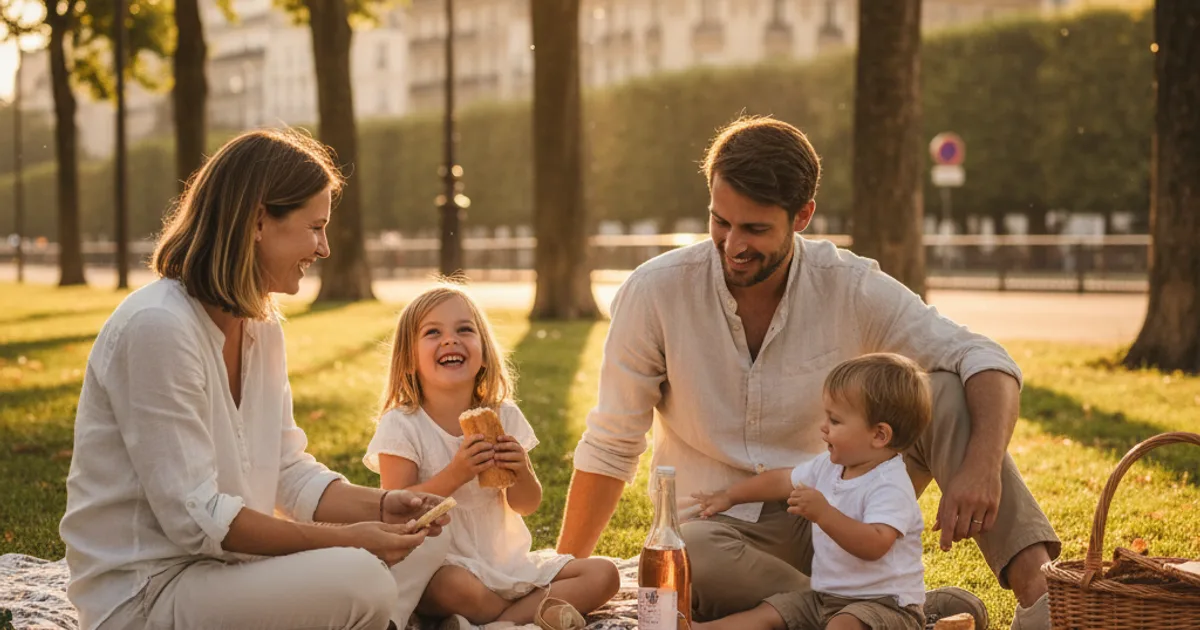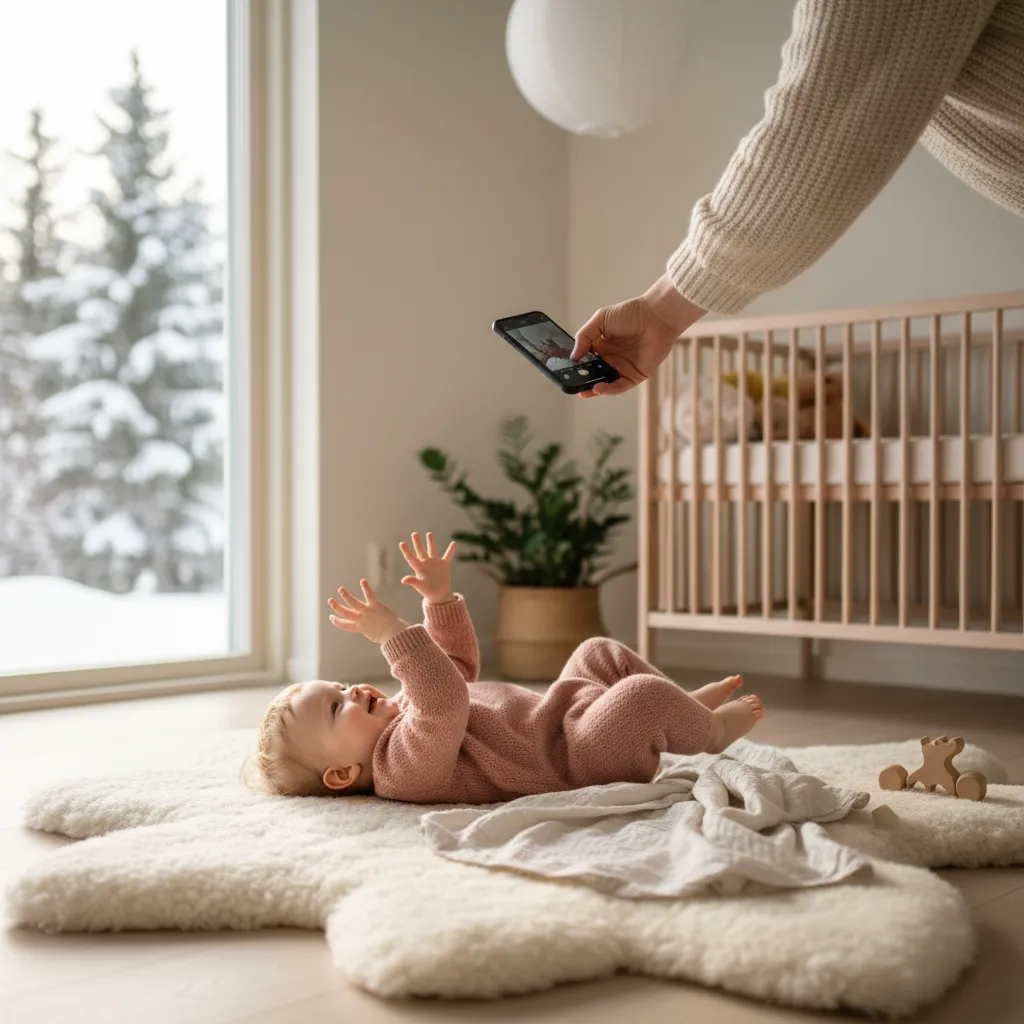
You don't need a professional camera to take beautiful pictures of your baby. The phone camera in your pocket is more than good enough, and you always have it with you.
What makes baby photos great isn't the equipment. It's the light, the timing, and the ability to capture what happens naturally.
Natural Light: Your Best Friend
The single most important rule for great baby photos is simple: use natural light.
The flash on your phone creates harsh shadows, unflattering light, and scary red eyes. Natural light from a window creates soft, warm images that look professional.
How to Use Window Light
- Place the baby near a window, but not in direct sunlight
- Best results: Overcast day or a north/east-facing window
- Let the light come from the side to create depth in the face
- Avoid backlight (light behind the baby makes the face dark)
Best Time of Day
- Morning: Soft, warm light, perfect for calm photos
- Late morning: Good, even light, ideal for play photos
- Afternoon: Warmer tone, great for mood shots
- Evening: Too dark indoors without flash, avoid
Right after breastfeeding or a bottle is a perfect time for photography. The baby is full, content, and often calm. You get the best expressions when the baby isn't hungry or tired.
Newborn Photos: The First Days
The first days after birth are magical, and fleeting. The baby changes quickly, and many parents regret not taking more photos in the first week.
What to Photograph
- The whole baby: Sleeping, perhaps with a hand on their chest
- Details: Tiny hands, feet, ears, lips, they're never this small again
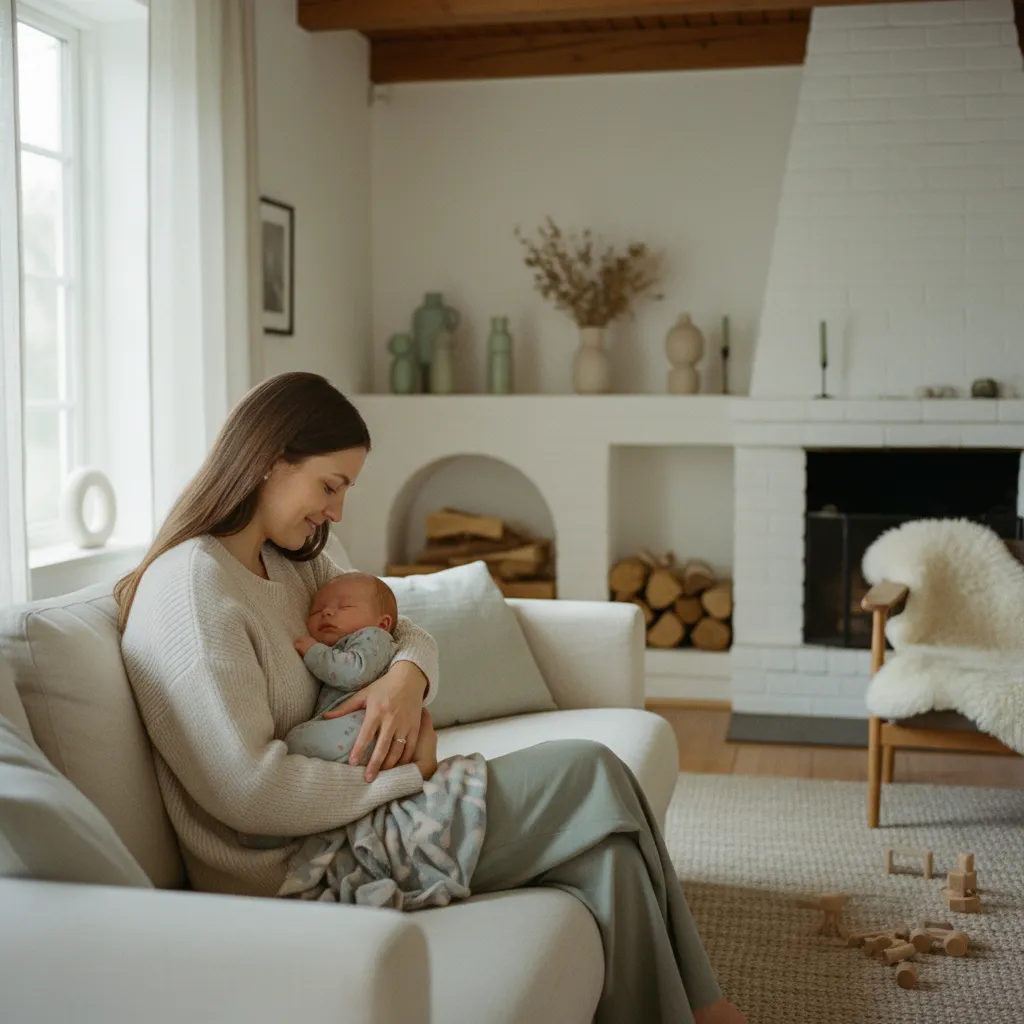
- Connection: The baby in your arms, against your chest, skin to skin
- Everyday moments: The changing table, the first bath, sleeping in the stroller
- Scale: The baby in dad's hands shows just how tiny they are
Tips for Newborn Photography
- The newborn period (0-14 days) gives the most curled-up, sleepy poses
- Keep the room warm, naked babies get cold quickly
- Use simple, neutral blankets or sheets as background
- Don't stress about perfect poses, the real moments are more beautiful
- Take photos of yourself with the baby too (ask your partner or use a timer)
You don't need a professional newborn photographer to get lovely photos. But if you'd like one, book early, most photographers want newborn photos taken within 10-14 days of birth.
Monthly Photos: Document the Growth
One of the most popular ways to document your baby's development is to take monthly photos. Same place, same setup, once a month.
How to Do It
- Choose a fixed spot: A chair, a blanket, a bed
- Use a marker: Cards with the month number, a stuffed animal that shows scale
- Same angle: Take the photo from the same spot each time
- Same time of day: Midday for even light
- Continue to 12 months: The difference from month 1 to 12 is incredible
Popular Setups
- Baby on a white sheet with number cards beside them
- Baby next to a large stuffed animal (shows size progression)
- Baby in the same chair month after month (from nearly disappearing to filling it)
- Letters or blocks spelling the month number
Set a reminder on your phone for photo day. Many people forget and end up with photos from day 1, day 38, day 75, and then sporadically after that. Regular reminders keep you on track.
Phone Camera: Get the Most Out of It
Modern phone cameras take remarkably good photos. With a few simple tricks, you'll get even better results.
Burst Mode (Continuous Shooting)
Hold down the shutter button, and your phone takes multiple photos in rapid succession. Babies move unpredictably, and burst mode ensures you capture the best moment.
Perspective
- Get down to the baby's level: Photos from above looking down are boring. Lie on the floor.
- Get close: Fill the entire frame with the face or detail you want to show
- Vary the distance: Some photos close up, some with more surroundings
Background
- Clear away clutter before taking a photo
- Simple backgrounds (white sheet, wooden wall, grass) let the baby be the focus
- Avoid busy patterns and lots of colors in the background
- Portrait mode gives a blurred background, great for face shots
Settings
- Portrait mode: Gives a professional blurred background
- HDR: Leave it on auto, it balances bright and dark areas
- Focus: Tap on the baby's eyes to focus there
- Grid: Turn on the grid in camera settings for better composition
Play and Spontaneity
The very best baby photos are the unplanned ones. The baby laughing at peekaboo. The toddler dancing to music. The first steps on wobbly legs.
How to Capture Spontaneous Moments
- Keep your phone easily accessible (not at the bottom of your bag)
- Don't say "look here" and "smile", let the child play
- Photograph play in progress, not posing
- Take photos from a distance without the child noticing
- Film video as well, sound and movement bring moments to life
Photos That Tell a Story
Instead of just taking photos of the face, document everyday life:
- Breakfast with porridge in the hair
- The first time the baby crawls
- The contents of the diaper bag on a busy day
- Story time on the couch
- A walk in the park with leaves and sticks
These everyday photos become the most valuable over the years.
First Birthday Photos and Cake Smash
The first birthday is a popular milestone for photography. Many choose to do a cake smash, where the child gets a whole cake to explore.
Tips for Cake Smash
- Use a place that can handle mess (outdoors or on a floor with a plastic sheet)
- Let the child explore the cake at their own pace, some are cautious, others dive right in
- Simple clothes (diaper and bow tie, or a simple outfit you don't mind getting messy)
- Have wet wipes and a towel ready
- Photograph the whole progression, from tentative touch to complete chaos
Outdoor First Birthday Photos
Nature provides beautiful backdrops:
- Forest with moss and trees
- Meadow with wildflowers (summer)
- Beach with sand and stones
- Garden with grass and bushes
A short session is key with one-year-olds. 15-20 minutes is the maximum. Have snacks and a favorite toy on hand to keep the mood up.
Organizing and Preserving Photos
Most parents take hundreds of photos per month. Without a system, they disappear into an endless camera roll.
Cloud Storage
- Google Photos or iCloud: Automatic backup, never lose photos if the phone is lost
- Shared album: Create a shared album with your partner and grandparents
- Face recognition: Use automatic sorting by face
Annual Backup
Once a year: Download all photos to an external hard drive or USB drive. Cloud storage is convenient, but a local copy provides extra security.
Sharing and Privacy
Many parents share photos of their children on social media. It's a personal decision, but some things are worth considering.
Think Before You Share
- Your child can't consent to having their photos shared
- Photos on the internet never fully disappear
- Consider who sees the photos (use closed groups or restricted settings)
- Never share photos of naked children, even cute bath photos
Alternatives to Social Media
- Share photos directly with family via messaging apps
- Use closed photo albums (Google Photos, iCloud)
- Print a photo book for grandparents instead of posting online
Start with What You Have
You don't need any fancy equipment, no perfect background, and no Pinterest-worthy styling. Your baby is beautiful enough just as they are.
Three things that make baby photos great:
- Natural light, stand by the window
- Real moments, stop saying "smile" and let the child play
- Take photos often, the very best photos are the everyday ones
The photos you didn't take are the ones you'll miss the most.
Frequently Asked Questions
Do I need a professional camera for good baby photos?
No, a modern phone camera is more than good enough. The most important things are natural light from a window, the right timing, and the ability to capture spontaneous moments. Portrait mode on your phone gives a professional blurred background.
When should I take newborn photos?
The most classic newborn photos are taken in the first 14 days, when the baby still sleeps a lot and can be posed curled up. But it's never too late to start, photograph details, connection, and everyday moments at any age.
How do I organize all the baby photos?
Use automatic cloud storage (Google Photos or iCloud) for backup, and create shared albums with your partner and grandparents. You can also create printed photo books to preserve the best memories.
Sources
🔧 Helpful Tools
- All Baby Tools. Browse all free tools for pregnancy and baby care