
6+ months
Chicken
Slow-cook or braise until very tender, then shred or offer as drumstick for baby to gnaw on. Avoid dry, overcooked chicken. Thigh meat stays more moist.

Proteins · Around 6+ months
Excellent source of protein, iodine, zinc, and selenium. Low in mercury. Introduces the shellfish allergen early as recommended.
Contains a common allergen: shellfish.
Record a taste of shrimpCook thoroughly and cut into small pieces or mince for younger babies. Can be served in strips for older babies. Remove shell and devein.
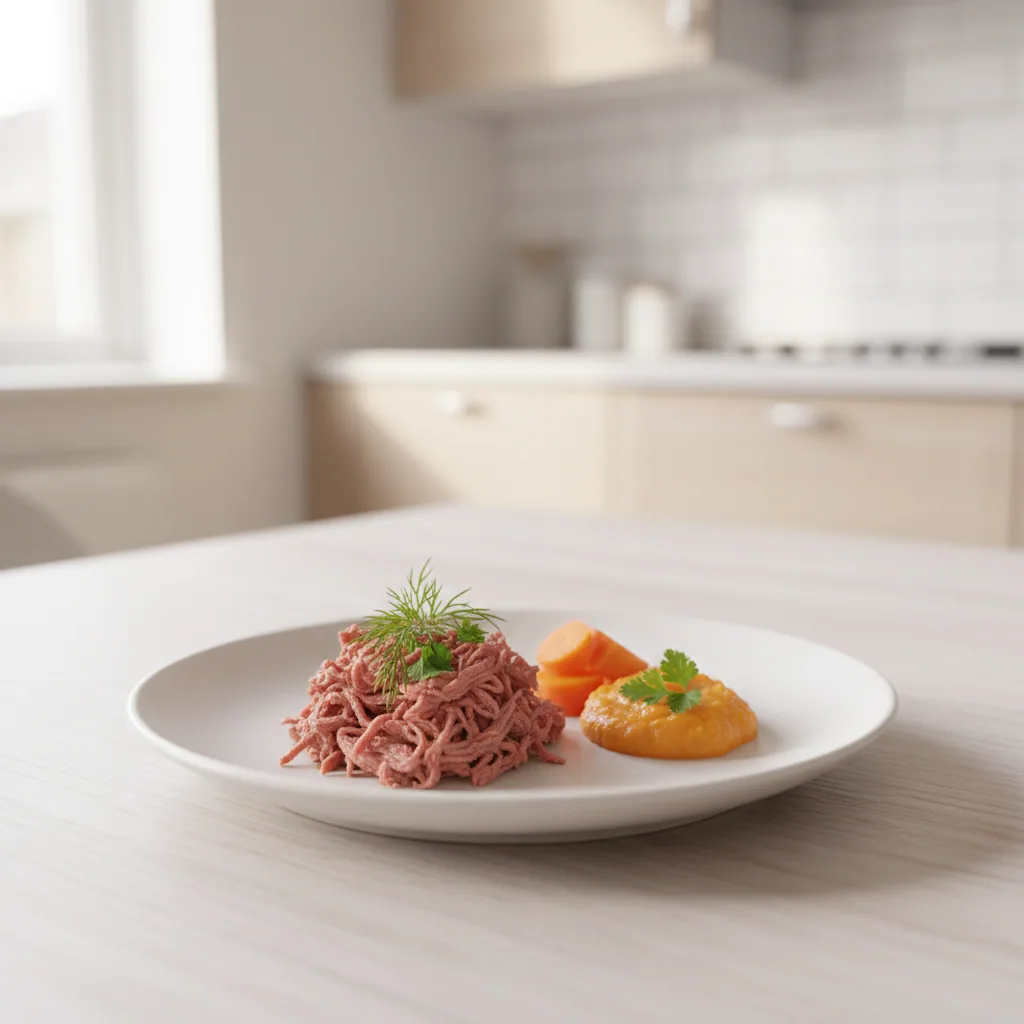
Age is a guide, not a readiness assessment. Seat your baby upright and stay with them while eating. The food photo is ingredient inspiration, not a serving-size or texture instruction.
Introduce common allergens one at a time in small amounts, from around 6 months. If tolerated, include them in the usual diet. If your baby has eczema, a diagnosed allergy or a previous reaction, ask your pediatrician before introduction. NHS guidance.
Written by the Babysential team. General feeding information, adapted from CDC guidance on starting solids and NHS first foods guidance. Your child’s clinician can help with individual feeding concerns.
Loading your log...
6+ months
Slow-cook or braise until very tender, then shred or offer as drumstick for baby to gnaw on. Avoid dry, overcooked chicken. Thigh meat stays more moist.
6+ months
Slow-cook until fall-apart tender. Offer as strips from a steak or as ground beef patties/meatballs. One of the best first foods for iron.

6+ months · fish
Bake or steam and flake into large pieces, checking carefully for bones. Can be formed into patties. Wild-caught preferred. Aim for 1-2 servings per week.