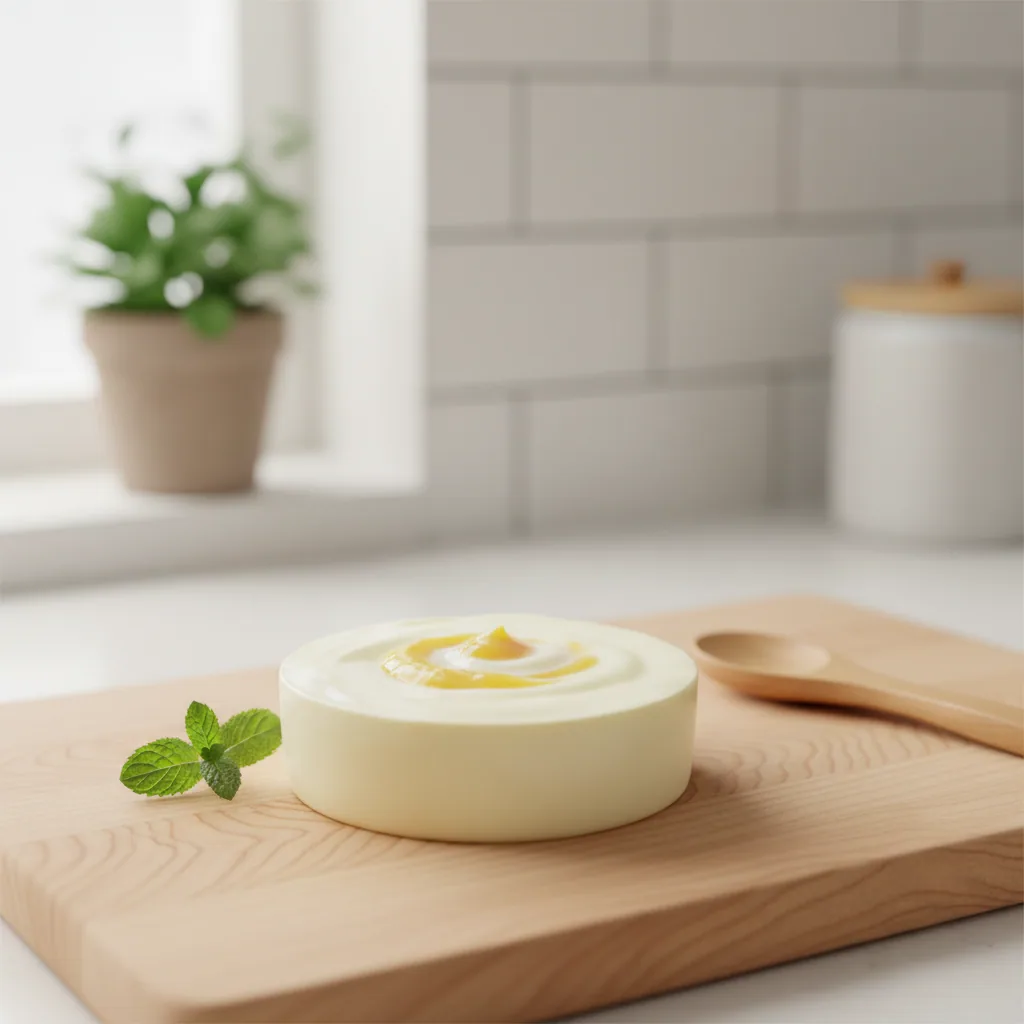
6+ months · dairy
Plain Yogurt
Choose full-fat, plain (unsweetened) yogurt. Serve pre-loaded on a spoon or as a dip for fruit. Greek yogurt is thicker and easier to manage. Avoid flavored/sweetened varieties.

Dairy · Around 6+ months
Source of fat-soluble vitamins A, D, E, and K. Provides healthy fats needed for brain development. Use in moderation as a cooking ingredient.
Contains a common allergen: dairy.
Record a taste of butterUse as a cooking fat or spread thinly on toast. Good for adding calories and flavor to vegetables. Small amounts are fine from 6 months.
Age is a guide, not a readiness assessment. Seat your baby upright and stay with them while eating. The food photo is ingredient inspiration, not a serving-size or texture instruction.
Introduce common allergens one at a time in small amounts, from around 6 months. If tolerated, include them in the usual diet. If your baby has eczema, a diagnosed allergy or a previous reaction, ask your pediatrician before introduction. NHS guidance.
Written by the Babysential team. General feeding information, adapted from CDC guidance on starting solids and NHS first foods guidance. Your child’s clinician can help with individual feeding concerns.
Loading your log...
6+ months · dairy
Choose full-fat, plain (unsweetened) yogurt. Serve pre-loaded on a spoon or as a dip for fruit. Greek yogurt is thicker and easier to manage. Avoid flavored/sweetened varieties.
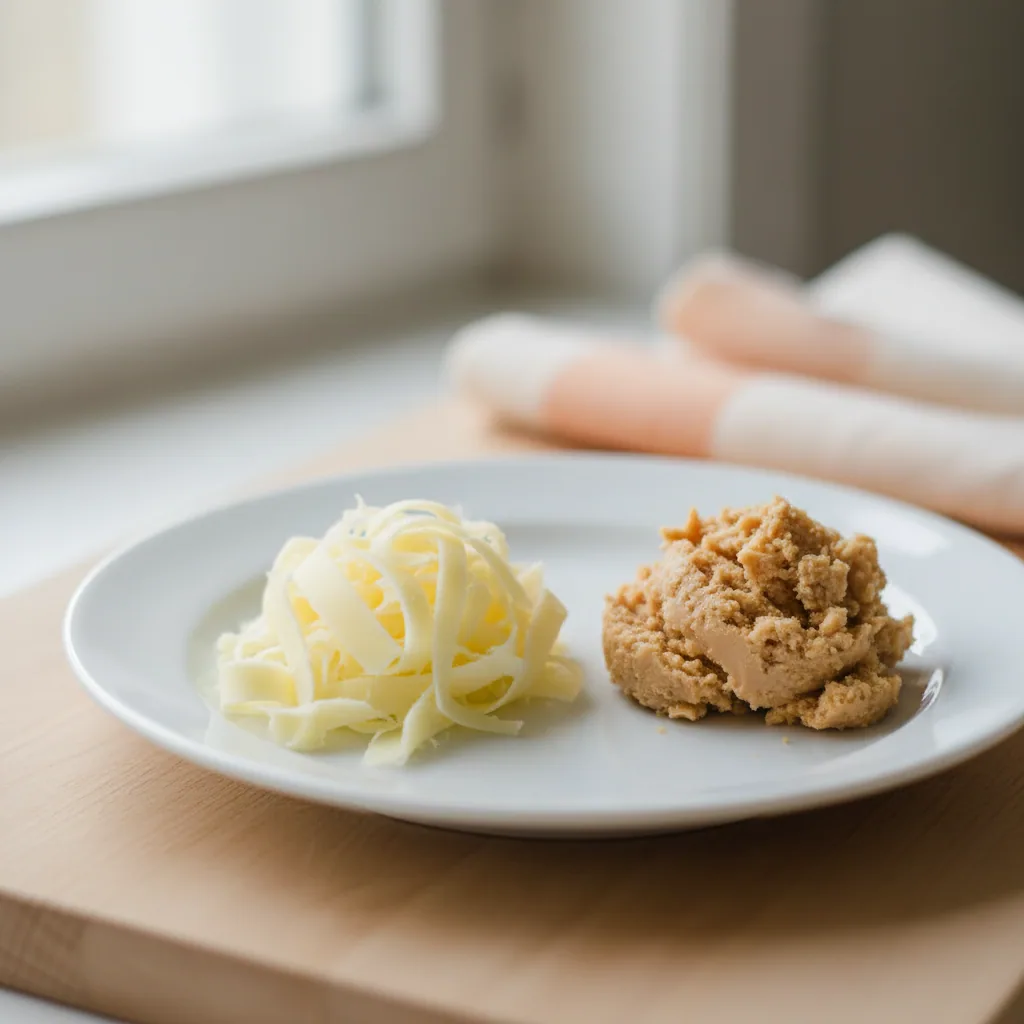
6+ months · dairy
Offer thin strips of mild cheese (cheddar, mozzarella, Swiss). Avoid soft/unpasteurized cheeses. Grated cheese can be added to other foods for extra calcium.

6+ months · dairy
Choose full-fat, low-sodium variety. Serve pre-loaded on a spoon or mixed with fruit. The small curds are easy for babies to manage.