The Short Answer
PUPPP (pruritic urticarial papules and plaques of pregnancy) is an intensely itchy but harmless rash that usually appears in the last month of pregnancy, starting inside the stretch marks on your belly. It does not harm your baby, it responds well to treatment, and it clears after delivery. The itch pattern that is genuinely urgent looks different: severe itching with no visible rash, worst on your palms and soles and at night. That pattern points to cholestasis of pregnancy and deserves a same-day call to your OB.
Find your due date.
Enter the first day of your last period, the day you ovulated, or an IVF transfer date.
Calculate your due dateWhat to know:
- PUPPP affects about 1 in 200 singleton pregnancies and is far more common with twins and triplets.
- It usually begins in belly stretch marks during the third trimester and leaves the belly button clear.
- A prescribed steroid cream plus an oral antihistamine controls the itch for most women.
- PUPPP clears within about 4 weeks, leaves no scars, and rarely returns in future pregnancies.
- Itching without a rash, especially on the palms and soles, is a red flag for cholestasis, a liver condition that needs a blood test.
What Does PUPPP Look Like?
In ACOG's patient guidance on skin conditions during pregnancy, PUPPP is described as small, red bumps and hives that appear on the skin later in pregnancy. The bumps typically show up first on the abdomen, and in most cases they start inside stretch marks. That location is a useful clue: the rapid stretching of the abdominal skin in late pregnancy seems to be where the reaction begins, even though the exact cause of PUPPP is still unknown.
According to the NIH's StatPearls reference, the rash has a few signature features:
| Feature | What you will typically see |
|---|---|
| Timing | Most often the last month of pregnancy; rarely just after delivery |
| First location | Inside the stretch marks on the belly |
| Belly button | Usually clear (doctors call this periumbilical sparing) |
| Spread | Over a few days to the thighs, buttocks, breasts, and arms |
| Face, palms, soles | Rarely involved |
| Feel | Intense, sometimes maddening itch; the skin looks bumpy and raised |
The small bumps can merge into larger raised patches, often surrounded by a pale halo. As the rash evolves, it can look more varied: areas of redness, tiny blisters, and eczema-like patches are all described in the medical literature. That variety is why the same condition is also called polymorphic eruption of pregnancy (PEP).
One reassuring constant: when PUPPP resolves, it leaves no scarring and no dark or light marks on the skin.
Who Gets PUPPP?
PUPPP is the most common pregnancy-specific rash, and it has a clear profile. StatPearls, published through the NIH, reports an incidence of about 0.5% of singleton pregnancies (2023 review), rising steeply to 2.9–16% of twin pregnancies and 14–17% of triplet pregnancies.
You are more likely to develop PUPPP if:
- This is your first pregnancy. PUPPP predominantly affects first-time mothers.
- You are carrying multiples. The bigger the stretch, the higher the risk.
- You gained weight quickly in late pregnancy. Excessive maternal weight gain and higher newborn birth weight are both linked to PUPPP.
There is also a curious detail in the research: boys are overrepresented, with a reported 2 to 1 male-to-female ratio among babies of affected mothers. Nobody has a confirmed explanation for that.
The flip side of this profile is good news for the future. PUPPP tends not to recur in later pregnancies, which sets it apart from several other pregnancy skin conditions.
Is It PUPPP or Cholestasis? The Difference That Matters
This is the section to read carefully, because two very different conditions both show up as "terrible itching in the third trimester."
PUPPP is miserable but harmless. Intrahepatic cholestasis of pregnancy (ICP) is a liver condition in which bile acids build up in the blood, and March of Dimes notes it can increase the risk of preterm birth and stillbirth, which is why it needs diagnosis and monitoring. ICP affects about 1 to 2 in 1,000 pregnant women in the United States.
Severe itching with no visible rash, worst on the palms and soles and at night, points away from PUPPP and toward intrahepatic cholestasis of pregnancy, which needs prompt evaluation.
Here is how to tell them apart:
| PUPPP | Cholestasis (ICP) | |
|---|---|---|
| Visible rash | Yes: red bumps and raised patches | Usually none; skin looks normal |
| Where it starts | Belly stretch marks | Often palms of hands and soles of feet |
| Belly button | Usually spared | Not a factor; there is no rash |
| Worst time | Varies through the day | Typically worse at night |
| Risk to baby | None | Raised risk of preterm birth and stillbirth without monitoring |
| Diagnosis | Skin exam by your provider | Bile acid blood test |
| What happens next | Itch treatment, reassurance | Monitoring, medication, sometimes earlier delivery |
The palms-and-soles detail is worth committing to memory. The American Academy of Dermatology notes that when itch signals liver disease, it often starts on the palms and soles before spreading elsewhere. The NHS goes further and treats this pattern as urgent: if you are pregnant and your itching keeps you awake, affects your palms or soles, or gets worse at night, they advise seeking medical help right away.
Scratch marks can confuse the picture. Women with ICP often scratch enough to leave visible marks on their skin, which can look like a rash at a glance. The distinction is that ICP itching comes first and any skin changes are from scratching, while PUPPP starts as a bumpy rash you can see and feel before you ever scratch it.
If your itching fits the ICP pattern, or you simply cannot tell, read our full guide to intrahepatic cholestasis of pregnancy and call your OB or midwife today. The test is a simple blood draw, and a normal result is genuinely reassuring.
How to Relieve PUPPP Itching
Here is the honest assessment: home measures take the edge off, but moderate to severe PUPPP usually needs a prescription to become bearable. There is no prize for toughing it out, and the treatments are well established in pregnancy.
What your provider can prescribe:
- Topical corticosteroids. According to StatPearls, most women achieve satisfactory control with a steroid cream or ointment applied to the rash.
- Oral antihistamines. These are typically used alongside the cream. StatPearls notes that sedating first-generation antihistamines appear to be safe in pregnancy and can double as nighttime itch relief.
- A short course of oral steroids. Reserved for severe cases where itching wrecks sleep night after night.
ACOG confirms the overall approach: PUPPP usually goes away after you give birth, and in the meantime your health care professional may prescribe anti-itch medication.
What helps at home:
- Take cool or lukewarm showers and baths, not hot ones. Heat makes itching worse.
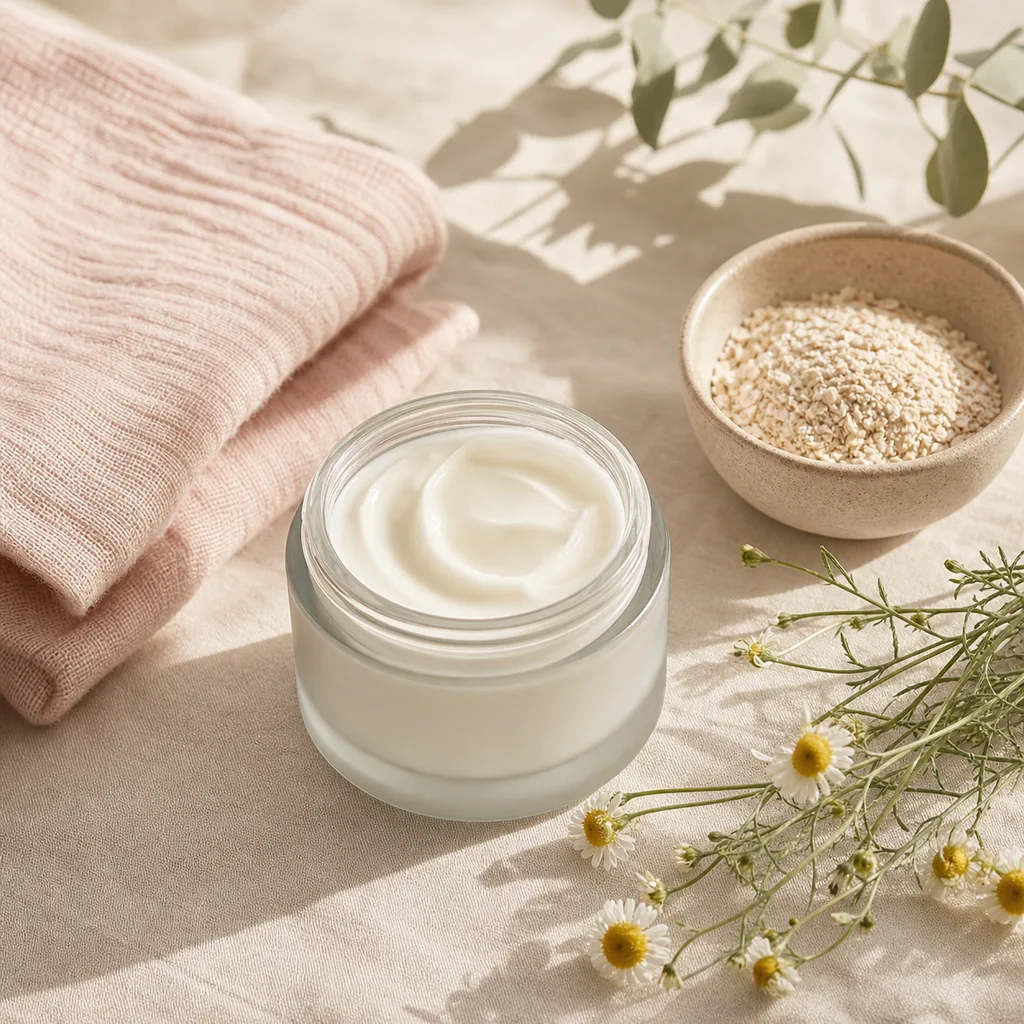
- Apply a fragrance-free moisturizer or emollient generously and often.
- Wear loose clothing in natural fibers like cotton.
- Pat or tap the itchy skin instead of scratching, and keep your nails short so any scratching does less damage.
These home measures come straight from the NHS's guidance on itching in pregnancy and mirror the general measures listed in the clinical literature: cool soothing baths, frequent emollients, and light cotton clothing.
Nighttime is when PUPPP itching peaks for many women, and lost sleep makes everything harder in the third trimester. If the itch is stealing your nights, our guide to sleep problems during pregnancy has practical fixes for the rest of the picture, from positioning to pre-bed routines.
One more practical tip: take photos of the rash when it first appears and note what makes it better or worse in your pregnancy journal. Rashes change between appointments, and a dated photo series helps your provider see exactly how it started and spread.
When to Call Your OB
Any new rash in pregnancy is worth mentioning to your provider, and most can wait for your next scheduled visit. Call sooner, the same day, if any of these apply:
- Intense itching with no visible rash, especially on your palms and soles or worse at night. This is the cholestasis pattern and needs a bile acid blood test.
- Blisters, especially if the rash involves your belly button. A rarer condition called pemphigoid gestationis can mimic PUPPP but tends to start earlier, involve the navel, and needs different treatment.
- Rash plus fever or feeling unwell. PUPPP does not cause fever.
- Dark urine, pale stools, or yellowing of your skin or eyes. These can signal a liver problem.
- A rash that is painful rather than itchy, or one that spreads within hours instead of days.
- No improvement after a week on the treatment your provider prescribed.
None of these calls will annoy your OB's office. Third-trimester itching is one of the symptoms they specifically want to hear about, precisely because the harmless and the serious versions feel so similar from the inside.
What Happens After Delivery
PUPPP has a predictable and kind ending. It typically resolves over an average of 4 weeks, either on its own late in pregnancy or shortly after delivery. The skin heals completely: no scars, no lasting discoloration. And unlike some pregnancy conditions, it usually does not return next time. Most pregnancy skin changes, from melasma to stretch marks, improve substantially after birth, and PUPPP is one of the most reliable to clear completely.
If you are in the thick of it right now, weeks 35 to 40 with a belly that itches like a wool sweater in July, hold on to that. This rash has an expiration date, and it is close.
Frequently Asked Questions
What does PUPPP rash look like?
PUPPP starts as small, red, itchy bumps inside the stretch marks on the belly, usually leaving the belly button clear. The bumps can merge into raised patches and spread to the thighs, buttocks, and breasts over a few days. As it evolves, it can include areas of redness, tiny blisters, and eczema-like patches.
Is PUPPP rash dangerous for the baby?
No. PUPPP is intensely itchy but harmless for both mother and baby, and it clears after delivery without scarring. Intense itching with no rash, especially on the palms and soles, is different and needs prompt evaluation for cholestasis of pregnancy.
How do you get relief from PUPPP rash?
Most cases are controlled with a prescribed topical corticosteroid plus an oral antihistamine, supported by cool baths, fragrance-free moisturizer, and loose cotton clothing. Severe cases sometimes need a short course of oral steroids. Home measures alone rarely control moderate to severe itching.
How can you tell PUPPP from cholestasis of pregnancy?
PUPPP is a visible rash that usually starts in belly stretch marks and rarely affects the palms or soles. Cholestasis causes intense itching with no rash, often worst on the palms and soles and at night, and is diagnosed with a bile acid blood test. When in doubt, call your OB and describe the pattern.
When does PUPPP rash go away?
PUPPP typically resolves over about four weeks, either on its own or shortly after delivery. It leaves no scars or skin discoloration, and it usually does not come back in future pregnancies.
Who is most likely to get PUPPP?
First-time mothers in the last weeks of pregnancy, women carrying twins or triplets, and those with rapid late-pregnancy weight gain. About 1 in 200 singleton pregnancies develop PUPPP, and rates are much higher with multiples: up to 16% of twin pregnancies and 17% of triplet pregnancies.