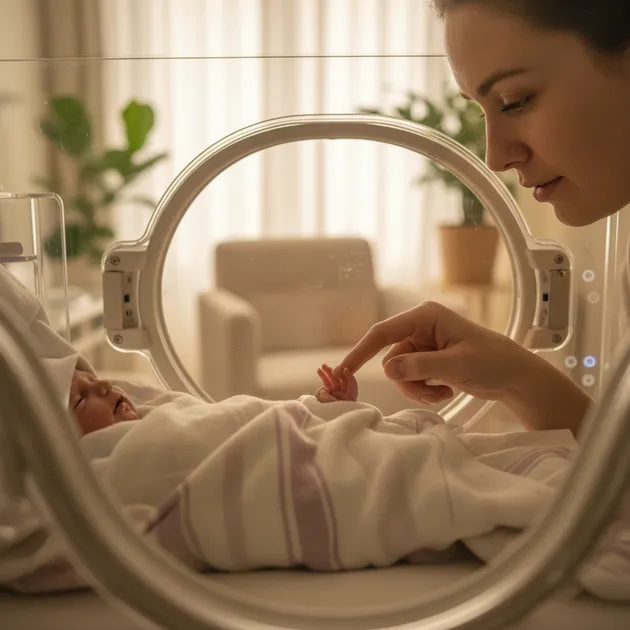
Bringing a premature baby home is one of the most overwhelming and love-filled experiences you can have as a parent. After weeks in the NICU, you are finally home, but the questions are many.
This guide gives you solid, evidence-based information about what to expect in the first weeks at home with a baby born too soon.
What Does It Mean to Be Premature?
A baby is considered premature if born before 37 weeks of pregnancy. The earlier the baby is born, the more underdeveloped the organs, especially the lungs and brain.
Classification by gestational age:
- Late premature: Weeks 34–36
- Moderately premature: Weeks 32–33
- Very premature: Weeks 28–31
- Extremely premature: Before week 28
How Common Is Premature Birth?
According to the WHO, approximately 1 in 10 babies worldwide is born prematurely. That is around 15 million babies each year. Survival rates for premature babies have never been better than they are today, thanks to advances in neonatal medicine.
Neonatal medicine today is highly advanced. Babies born prematurely have better prospects than ever before.
When Can You Go Home?
Your baby will be discharged from the NICU when they are medically stable. This means the baby:
- Breathes without mechanical assistance
- Maintains body temperature steadily with normal clothing
- Breastfeeds or bottle-feeds, or parents have been trained in tube feeding
- Has satisfactory weight gain and blood sugar
Typically, babies born between weeks 28 and 32 are discharged around 37 weeks gestational age, though this varies by individual situation.
Many hospitals offer early discharge programs where the baby can go home with a feeding tube and receive follow-up via video consultations. Ask your NICU team whether this option is available for you.
Feeding: Breastfeeding, Tube Feeding, and Formula
Breast Milk Is Best
Breast milk is the optimal nutrition for premature babies. It contains antibodies and growth hormones tailored to the baby's needs. A mother who has given birth prematurely produces milk with a different composition than term milk, higher in protein and fat, adapted for a baby born too soon.
If breastfeeding is not possible for medical reasons, formula is a good alternative. Talk to your pediatrician about the right type and amount.
Tube Feeding at Home
Some premature babies are discharged with a feeding tube. This is safe and helps the baby complete feeding development at home. Parents receive thorough training at the hospital before discharge.
Typical milk intake for a premature baby during the first 6 months is 12–15 percent of the baby's body weight per day, but this varies. Target weight gain is 100–200 grams per week. Frequent weight checks, ideally weekly at first, provide reassurance. Talk to your pediatrician.
Introduction of Solid Foods
For premature babies, starting solid foods usually needs to be delayed. Timing is based on corrected age (see below), weight gain, and overall wellbeing, not chronological age. Always talk to your pediatrician about when solid foods are right for your baby.
Body Temperature and Kangaroo Care
Premature babies have little subcutaneous fat and do not regulate body temperature as well as full-term babies. Kangaroo care, where the baby lies skin-to-skin on your chest, is one of the most important things you can do at home.
Kangaroo care gives your baby:
- Stable body temperature
- Better breathing patterns
- Increased weight gain
- Stronger attachment to parents
- Positive effect on breastfeeding
Both parents can practice kangaroo care. There is nothing wrong with siblings and grandparents sharing this closeness, but be mindful that whoever holds the baby should always be awake and attentive.
Check your baby's temperature regularly during the first weeks at home. Normal rectal temperature is 36.5–37.5°C (97.7–99.5°F). Contact your doctor if the baby is consistently warmer or cooler than this.
Corrected Age: What It Is and Why It Matters
Corrected age, also called adjusted age, is the age your baby would be if born at term.
How to calculate corrected age:
Take the number of weeks your baby was born early and subtract this from the chronological age.
Example: The baby was born at week 32 (8 weeks early) and is now 5 months old. Corrected age is 5 months minus 2 months = 3 months.
Why Does This Matter?
A premature baby develops according to its own biological program. Assessing the baby's motor skills, language, weight, and milestones based on corrected age, not chronological age, gives a much more accurate picture of development.
Your pediatrician will always use corrected age at check-ups and growth charts.
Most experts recommend using corrected age until the child is 2 years old. After that, most premature babies have caught up and are assessed by chronological age.
Vaccinations are an exception: Vaccines are given according to chronological age, not corrected age. Read more about this below.
Vaccinations: Special Rules for Premature Babies
Vaccines are given to premature babies according to chronological age, just like full-term babies. The immune system matures quickly after birth, and premature babies respond equally well to vaccines when vaccinated at the recommended age.
Extra Vaccine Dose for Babies Born Before Week 32
According to the AAP (American Academy of Pediatrics), babies born before 32 weeks gestation should receive full doses of all recommended vaccines at the usual chronological ages, and should not have doses reduced or delayed. These babies are at higher risk for severe illness from whooping cough (pertussis), and vaccination is especially important.
Babies born before week 30, and babies born at weeks 30–32 with serious additional conditions, may have an increased risk of apnea (breathing pauses) after vaccination. These babies may need monitoring for at least 48 hours after the first vaccine dose. Ask your doctor whether this should happen in a hospital setting.
Influenza Vaccine
Premature babies, especially those born before week 32, have increased risk of flu-related hospitalization up to age 5. The AAP recommends annual flu vaccination for premature babies starting at 6 months of age.
Follow-Up After Coming Home
Premature babies and their families are entitled to close follow-up care.
Recommended Pediatrician Follow-Up
After discharge:
- Home visit or early clinic visit within 1–2 weeks of discharge
- Monthly check-ups for the first several months
- Pediatrician visits at 6 weeks and 6 months corrected age, and as needed
- Further check-ups at 10, 12, 15, and 18 months corrected age
Children with special needs for specialist follow-up:
Babies born before week 28 or with birth weight under 1,000 grams (2.2 lbs) are recommended developmental follow-up in specialist care until age 5, in addition to regular pediatrician visits.
If you feel your baby is not receiving the follow-up care they need, contact your NICU. They can help ensure a good handover of information and responsibility to your primary care team.
Vision and Hearing
The smallest babies (under 1,500 grams or born before week 32) are routinely screened for retinal damage (retinopathy of prematurity, ROP) by an eye specialist. All newborns, but especially premature babies, have their hearing checked before discharge.
If your baby starts to squint after they are 6 months corrected age, they should be seen by an eye specialist.
Signs That You Should Contact a Doctor
Premature babies can become ill quickly. Trust yourself as a parent, you know your baby best.
Contact your doctor or go to urgent care if your baby: - Has a fever above 38°C (100.4°F) (rectal) - Is breathing rapidly, shallowly, or with effort - Has apnea (breathing pauses) - Is limp, difficult to wake, or unresponsive - Is urinating much less than usual - Is feeding much worse than usual - Is not gaining weight consistently - You are worried, for any reason
Premature babies are at increased risk of RSV (respiratory syncytial virus), especially in autumn and winter. Symptoms resemble a cold, but can cause serious breathing difficulties in premature babies. Talk to your doctor about prevention if your baby is particularly at risk.
Emotional Support for Parents
Having a baby in the NICU and bringing them home is an enormous challenge. Many parents experience anxiety, sleep deprivation, and a persistent fear that something will go wrong. Some develop PTSD-like reactions following a difficult newborn period.
This is completely normal, and you are not alone.
What helps:
- Talk openly with your pediatrician or healthcare provider about how you are doing
- Accept help from family and friends
- Contact your insurance or employee assistance program for mental health support
- Ask whether there are parent support groups for premature babies in your area
- Look into peer support services from organizations that support families of premature babies
Many NICUs offer parent courses and follow-up conversations after discharge. It is okay to reach out to the unit again if you have questions or concerns, they are used to helping.
Gradually building confidence takes time. Most parents of premature babies describe the first months at home as demanding, but also as a period when their bond with their baby grows very strong.
Frequently Asked Questions
Will a Premature Baby Always Have Developmental Delays?
Not necessarily. Many late and moderately premature babies catch up quickly and have normal development. Very or extremely premature babies have a somewhat increased risk of developmental challenges, but close follow-up and early intervention provide the best foundation.
Can We Have Visitors at Home?
Yes, but be careful during the first months, especially during RSV season (autumn and winter). Limit the number of visitors, ask everyone to wash their hands thoroughly, and avoid visits from sick people. A mild cold can become serious for a premature baby.
When Can We Take the Baby Outside?
The baby can go outside, but assess the weather and temperature carefully. Premature babies can get cold very quickly. Dress them warmly and use a carrier or stroller with good wind protection. Avoid crowded places with poor air quality during the first months.
What Are a Home Monitor and Apnea Monitor?
Some very premature babies are discharged with monitoring equipment or home nursing services. Parents receive thorough training at the hospital. Your care team will coordinate the necessary equipment and services after discharge.
When Is a Baby No Longer "Premature"?
There is no exact answer, but corrected age is typically used until around age 2. After that, the baby is assessed alongside other children of the same age. Many premature babies go on to have completely normal lives with no lasting health consequences.
Sources
- WHO - Preterm birth
- AAP - Health Issues of Premature Babies
- CDC - Preterm Birth
- AAP - Immunization in Special Clinical Circumstances
🔧 Helpful Tools
- Baby Milestones Tracker. Track your baby's developmental milestones
- All Baby Tools. Browse all free tools for pregnancy and baby care