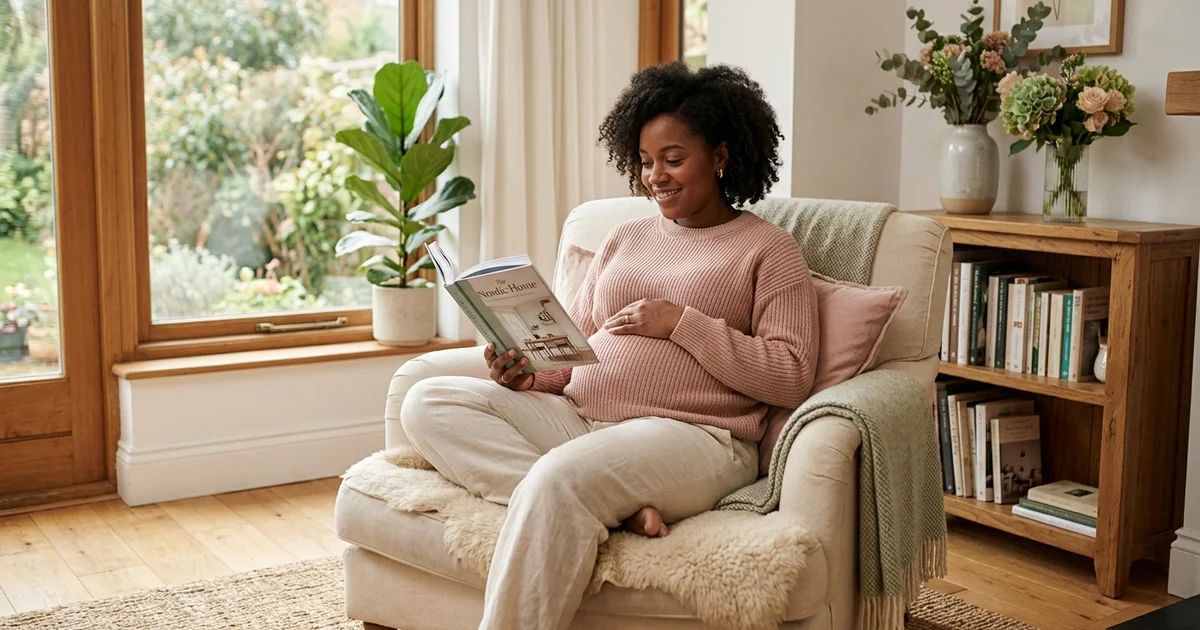
The fetus can now make a wide range of facial expressions: squinting, frowning, and even grimacing. These are reflexive rather than emotional, but they show how much the facial muscles have developed. The circulatory system is fully operational, pumping about 25 liters of blood per day. Use our Due Date Calculator to track your timeline.
Key Takeaways
- At 16 weeks, your baby is about 11.5 cm long (the size of an avocado) and weighs roughly 100 grams
- The heart now pumps approximately 25 liters of blood daily, this will reach 300 liters by the end of pregnancy
- The fetus can make facial expressions (squinting, frowning, grimacing), reflexive, not emotional
- Toenails are starting to grow, and the backbone is strong enough to support the head and neck
- Most people have a noticeably visible bump by week 16, especially those who have been pregnant before
Your Baby This Week
Size: Avocado (about 11.5 cm, or 4.6 inches)
Weight: About 100 grams
- Facial expressions: The muscles and nerves of the face are well enough developed for the fetus to make various expressions
- Circulatory system: The heart pumps roughly 25 liters of blood daily. This will increase to 300 liters per day by the end of pregnancy.
- Toenails: Starting to grow
- Eyes: Moving slowly behind closed lids, though vision is still minimal
- Backbone: Strong enough to help straighten the head and neck
- Patterned movement: The fetus has periods of activity and rest, though there is no set schedule yet
If you had NIPT or CVS, you may already know the sex. Otherwise, the anatomy scan in a few weeks may reveal it. Track your baby's growth with our Milestone Tracker.
Your Body
- Visible bump. Most people have a noticeable belly by now.
- Backaches as your center of gravity shifts forward
- Glowing skin from increased blood flow, or breakouts from hormonal changes
- Constipation remains common. Fiber, water, and regular movement all help.
- Nasal congestion continuing
Your uterus is about halfway between the pubic bone and the navel.
What to Do This Week
- Invest in a good pregnancy pillow for more comfortable sleep. Supporting your belly and back makes a big difference.
- Practice good posture. Stand tall, sit with support, and avoid standing in one position for too long.
- Start a baby registry or wish list if you want. The second trimester is a good time to research baby gear without the urgency of the final weeks. Our Baby Registry Checklist has everything you need.
Common Questions
When can I find out the sex?
NIPT results (available from week 10) can reveal the sex with over 99% accuracy. At the anatomy scan (weeks 18 to 22), the ultrasound technician can usually determine it visually, though the baby's position does not always cooperate.
Is it normal for one side of my belly to be bigger?
Yes. The uterus does not always sit perfectly centered, and the baby's position affects the shape of your bump. Asymmetry is completely normal.
FAQ
What is my baby doing at 16 weeks?
At 16 weeks, the fetus is about 11.5 cm long and weighs around 100 grams. The circulatory system pumps roughly 25 liters of blood daily, facial muscles are developed enough for reflexive expressions, and toenails have begun to grow. The fetus has periods of activity and rest throughout the day.
When can I find out the sex of my baby?
If you had NIPT (non-invasive prenatal testing), sex results may already be available and are over 99% accurate. The anatomy scan, typically at weeks 18 to 22, can usually determine sex visually, though it depends on the baby's position. Ask the sonographer at the start of the appointment.
Why do I have backaches at 16 weeks?
As the uterus grows, your center of gravity shifts forward, placing increased strain on the lower back. Hormones also relax ligaments throughout the body, which affects spinal stability. Good posture, a supportive chair, a pregnancy pillow, and light stretching can help manage discomfort.
Is constipation normal at 16 weeks?
Yes. Progesterone relaxes smooth muscle throughout the body, including the intestines, slowing digestion. This is normal but uncomfortable. Drinking plenty of water, eating high-fiber foods (fruit, vegetables, whole grains), and walking regularly are the most effective remedies.
Is it safe to use a pregnancy pillow?
Yes, a full-body or C-shaped pregnancy pillow is safe and often recommended. It helps keep you on your side while sleeping, supports the belly and back, and reduces pressure on the hips and knees as the pregnancy progresses.
Related Articles
- Pregnancy Week-by-Week Overview, see the full timeline
- Pregnancy Week 17: Fat Stores Begin, what comes next
- Baby Registry Checklist, everything you need for your newborn
Sources
🔧 Helpful Tools
- Due Date Calculator. Calculate your estimated due date
- Contraction Timer. Track your contractions during labor
- All Baby Tools. Browse all free tools for pregnancy and baby care