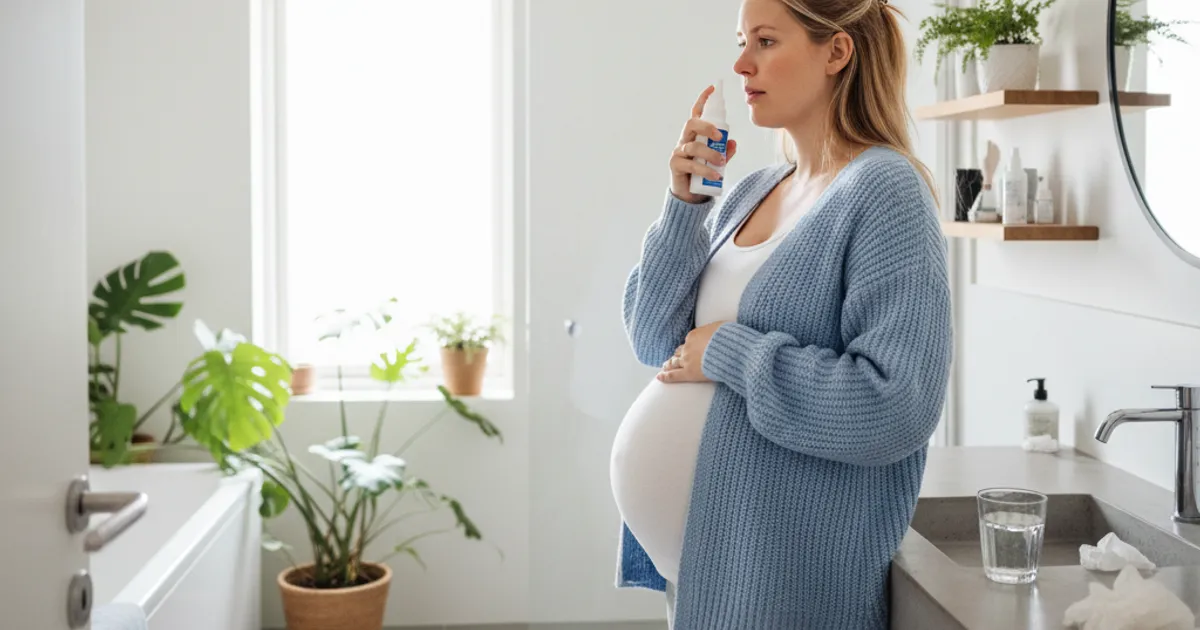
It itches, it burns, and you almost don't dare talk about it. Hemorrhoids during pregnancy are one of the most common complaints pregnant people experience, and also one of the most taboo. You are far from alone.
Studies show that between 25 and 50 percent of all pregnant people develop hemorrhoids during pregnancy or shortly after birth. According to the AAP and ACOG, hemorrhoids are harmless, but they can be very uncomfortable. The good news is that there's a lot you can do yourself to relieve and prevent them.
What Are Hemorrhoids?
Hemorrhoids are enlarged blood vessels (varicose veins) in and around the rectal opening. All people have hemorrhoidal tissue, it's a natural part of the body's sphincter mechanism around the rectum. When these blood vessels become swollen and irritated, we call it hemorrhoids.
There are two types:
- Internal hemorrhoids sit inside the rectum. They rarely cause pain but can bleed with bowel movements.
- External hemorrhoids sit under the skin around the rectal opening. They can cause itching, pain, and swelling.
Hemorrhoids are graded from 1 to 4 by severity:
- Grade 1: Bleeding without prolapse
- Grade 2: Prolapse that pulls back on its own
- Grade 3: Prolapse that must be pushed back manually
- Grade 4: Permanent prolapse that cannot be pushed back
The vast majority of pregnant people experience grade 1 or 2, which resolve on their own after birth.
Why Are Hemorrhoids So Common in Pregnancy?
Several things happen in your body during pregnancy that increase the risk of hemorrhoids.
Hormonal Changes
The hormone progesterone increases during pregnancy. It causes blood vessels to dilate and the vessel walls to become more relaxed. At the same time, progesterone slows bowel activity, which leads to sluggish digestion and constipation.
Increased Pressure from the Uterus
As the baby grows, the uterus puts increasing pressure on the blood vessels in the pelvis. This makes it harder for blood to flow back from the rectum, and the vessels swell up.
Constipation and Straining
Sluggish digestion is very common during pregnancy. When you have to strain hard during bowel movements, pressure on the blood vessels in the rectum increases. Prolonged straining is one of the most important triggering factors for hemorrhoids.
Increased Blood Volume
Your blood volume increases by up to 50 percent during pregnancy. That means more blood circulating, and the blood vessels in the pelvis can become overloaded.
Labor and Delivery
Labor itself, and especially the pushing stage, puts enormous pressure on the rectal area. The risk of hemorrhoids increases after birth, particularly after a vaginal delivery with a long pushing phase.
Hemorrhoids during pregnancy are harmless to both you and the baby. They are a common complaint that in the vast majority of cases resolves on its own after birth.
Symptoms of Hemorrhoids
Symptoms vary depending on whether the hemorrhoids are internal or external, and how severe they are.
Common symptoms:
- Itching around the rectal opening
- Burning and discomfort, especially after bowel movements
- Bright red blood on toilet paper or in the toilet bowl
- Swelling or a lump near the rectal opening
- A feeling of something bulging out
- Pain when sitting
Symptoms are often worse with:
- Prolonged sitting (especially on hard surfaces)
- Bowel movements with hard stool
- At the end of the day
- The third trimester, when pressure from the uterus is greatest
See a doctor if you experience: heavy bleeding that doesn't stop, dark blood, severe pain that comes on suddenly, or fever. These symptoms may indicate other conditions that need medical assessment.
Safe Treatments During Pregnancy
There are several things you can do yourself to relieve hemorrhoids during pregnancy. Start with dietary and lifestyle changes, and supplement with over-the-counter remedies as needed.
High-Fiber Diet and Fluids
The most important measure is preventing constipation. Soft stool that passes easily puts much less pressure on the blood vessels.
- Eat high-fiber foods daily: whole grains, vegetables, fruit, and legumes
- Take 1 tablespoon of soaked flaxseed or prunes daily
- Drink at least 1.5–2 liters of water per day
- Choose fermented dairy products (yogurt, kefir)
- Fiber supplements like psyllium husk can be used as needed
Quick fiber boost: Mix 1 tablespoon of psyllium husk into a glass of water and drink it morning and evening. Remember to drink extra water throughout the day, fiber needs fluid to work.
Physical Activity
Daily movement keeps the bowel moving and improves blood circulation in the pelvis.
- Walk for 20–30 minutes daily
- Swimming and water aerobics are gentle and effective
- Prenatal yoga is good for circulation and pelvic floor health
- Avoid prolonged sitting, get up and move regularly
Sitz Baths and Local Relief
A warm sitz bath can provide good relief for swollen and irritated hemorrhoids.
- Use warm water (body temperature) in a sitz bath or basin
- Sit for 10–15 minutes, 2–3 times daily
- Pat dry gently afterward with soft paper or cloth
- A cold compress (ice in a towel) can reduce swelling and pain
After a bowel movement: Clean gently with moist toilet paper or a soft cloth with warm water instead of dry paper. It irritates less and keeps the area clean.
Over-the-Counter Creams and Suppositories
Several over-the-counter products can relieve symptoms.
- Local anesthetic creams with lidocaine can reduce pain and itching
- Zinc oxide ointments protect the skin and can reduce irritation
- Suppositories can relieve internal hemorrhoids
Always check with your pharmacist, midwife, or doctor before using any products during pregnancy.
Products to Be Cautious With
Not all hemorrhoid treatments are safe during pregnancy.
- Steroid creams should be used with caution during pregnancy. Low-potency variants may be used for short periods after consulting your doctor, but avoid long-term use or use over large areas.
- Stimulant laxatives should be avoided. Use bulk-forming agents like psyllium husk instead.
Important: Never use prescription hemorrhoid treatments without consulting your doctor or midwife first. Some products that are safe outside of pregnancy may be harmful to the fetus.

How to Prevent Hemorrhoids During Pregnancy
Prevention comes down to two things: avoiding constipation and reducing pressure on the rectal area.
Good Toilet Habits
- Go to the toilet when you feel the urge, don't put it off
- Don't sit on the toilet longer than necessary
- Avoid straining hard, let bowel movements happen naturally
- Use a small footstool under your feet to raise your knees above hip level (squatty potty position)
Diet Against Constipation
Recommendations for preventing sluggish digestion during pregnancy include:
- Whole grain products such as whole grain bread, oatmeal, and whole wheat pasta
- Vegetables and fruit, at least five portions daily
- Soaked flaxseed or prunes, 1 tablespoon daily
- Plenty of fluids, at least 1.5 liters of water in addition to other drinks
- Fermented dairy such as yogurt and kefir
Pelvic Floor Exercises
A strong pelvic floor improves blood circulation in the area around the rectum. Daily pelvic floor exercises can help prevent both hemorrhoids and other pelvic complaints.
Other Preventive Measures
- Avoid prolonged sitting, stand up and move at least once an hour
- Lie on your side rather than your back, especially in the third trimester. This relieves pressure on the blood vessels in the pelvis.
- Don't lift heavy things, it increases abdominal pressure
- Keep weight gain within recommended ranges during pregnancy
Hemorrhoids After Birth
Many people find that hemorrhoids worsen right after birth, especially after a vaginal delivery with a long pushing stage. This is normal.
The First Days
- Hemorrhoids are often at their worst in the first days after birth
- Use sitz baths, cold compresses, and pain relief as needed
- Eat fiber-rich foods and drink plenty to avoid constipation
- Acetaminophen (paracetamol) can be used for pain relief while breastfeeding
When Do They Go Away?
Hemorrhoids that developed during pregnancy gradually improve after birth. For most people, symptoms improve significantly within the first few weeks. For some, it can take up to a few months for hemorrhoids to fully resolve.
Bring up any persistent complaints at your 6-week postpartum checkup with your doctor or midwife.
Pelvic Floor Exercises After Birth
Start gentle pelvic floor exercises in the first days after birth, unless advised otherwise. Good pelvic floor function improves circulation and can help hemorrhoids resolve more quickly.
When Should You See a Doctor?
Most hemorrhoids during pregnancy can be managed at home with simple measures. But sometimes you should contact your doctor or midwife.
Contact your provider if:
- Bleeding is heavy or frequent
- Pain is severe and persistent
- You feel a hard, painful lump that won't go back in
- Home treatment doesn't bring improvement after 1–2 weeks
- You're unsure whether your symptoms are hemorrhoids
Seek urgent care if:
- You have sudden, intense pain in the rectal area (may indicate a thrombosed hemorrhoid)
- You have fever along with pain around the rectum
- Bleeding is heavy and won't stop
There is no reason to be embarrassed about hemorrhoids. Midwives and doctors see this every day. The sooner you bring it up, the easier it is to treat.
Frequently Asked Questions
Are hemorrhoids dangerous for the baby?
No. Hemorrhoids are completely harmless to the baby. They are uncomfortable for you as a pregnant person, but they do not affect the pregnancy or fetal development.
Can hemorrhoids affect labor?
Hemorrhoids themselves are not an obstacle to vaginal birth. They may become more swollen during the pushing stage, but this is harmless. Let your midwife or doctor know you have hemorrhoids so they can take it into consideration.
Will hemorrhoids go away after birth?
In most cases, yes. Hemorrhoids that developed during pregnancy gradually resolve after birth. For some it takes a few weeks, for others a few months. Persistent complaints should be raised with your doctor.
Does pelvic floor exercise help with hemorrhoids?
Pelvic floor exercises improve blood circulation in the pelvic area and can help prevent hemorrhoids. It's especially important to exercise the pelvic floor during pregnancy and after birth.
What position is best for relieving pressure?
Lying on your left side relieves pressure on the blood vessels in the pelvis. When sitting on the toilet, a footstool under your feet can help you achieve a more natural position that reduces the need for straining.
Summary
Hemorrhoids during pregnancy are common, harmless, and something you can do a lot about yourself. The most important measures are:
- Eat high-fiber foods and drink plenty of water to avoid constipation
- Stay active with daily walks and adapted exercise
- Do pelvic floor exercises daily
- Use sitz baths and mild over-the-counter products for relief
- Don't strain on the toilet, let it happen naturally
- Talk to your midwife or doctor if symptoms persist
Sources
- ACOG. "Hemorrhoids." acog.org
- Mayo Clinic. "Hemorrhoids." mayoclinic.org
- WHO. "Managing complications in pregnancy and childbirth." who.int
🔧 Helpful Tools
- Due Date Calculator. Calculate your estimated due date
- Contraction Timer. Track your contractions during labor
- All Baby Tools. Browse all free tools for pregnancy and baby care
📖 Related Articles
- Heartburn and Acid Reflux During Pregnancy: What Actually Helps. Struggling with heartburn and acid reflux during pregnancy? Learn why it happens, which foods to avoid, and which remedies are safe to use while pregnant.
- Nasal Spray During Pregnancy: Which Ones Are Safe?. Can pregnant women use nasal spray? A complete overview of safe and unsafe nasal sprays during pregnancy. Saline, decongestants, corticosteroids, based on international guidelines.
- Preeclampsia: Symptoms, Risks, and Treatment. Everything you need to know about preeclampsia during pregnancy. Symptoms, risk factors, prevention, and treatment based on WHO and AAP guidelines.