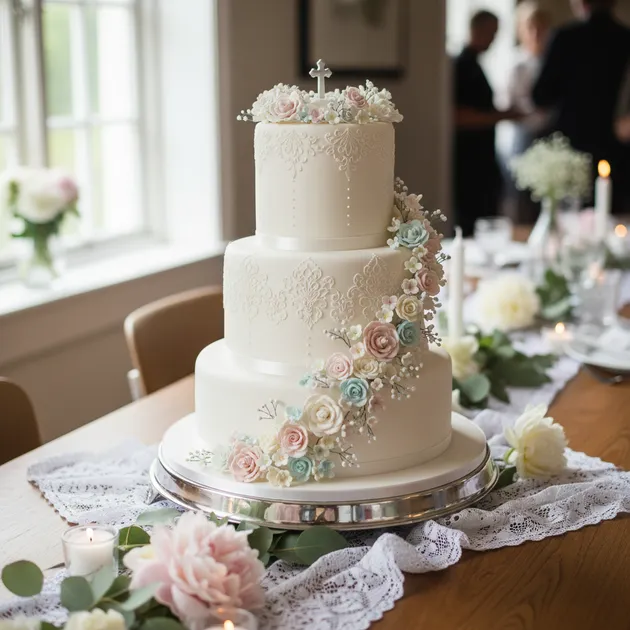
The smell of freshly baked yeast pastries, a bit of flour dust on the cheek, a small hand measuring out sugar. May 17 baking with children is magical, and it does not have to be stressful. The trick is to start the day before, choose recipes that can handle little hands, and lean into the coziness instead of chasing a perfect result.
Here you get three May 17 recipes adapted for children aged 1 to 5: classic layer cake, juicy strawberry buns, and simple cookies in flag colors. You also learn what your child can help with at each age, which food safety rules you need to remember, and how to plan so your May 17 morning feels calm.
Need the full overview for the day? See the main May 17 guide for the menu, outfit, activities, and everything else.
What children can do in the kitchen, by age
Children can do surprisingly much when baking, but expectations need to match their motor skills. Here is a simple overview you can use as a starting point - always adapt it to your own child.
1-2 years: sensory baking
At this age, baking is mostly about the experience, not precision. Two-year-olds have enough gross motor skills to do a lot - fine motor skills are still developing.
- Mix dry ingredients in a large bowl with a wooden spoon
- Pour pre-measured ingredients from small cups into the bowl
- Pat smooth batter into a greased baking pan (with help)
- Feel flour, press fingers into butter, taste sugar cubes
Let it be messy. This is coordination practice in disguise.
2-3 years: measure and shape
Now the child can contribute more concretely. Fine motor skills are starting to show up - the child can hold a wooden spoon, press cookie cutters into dough, and decorate with berries.
- Measure ingredients with child-friendly measuring cups
- Roll yeast dough into small balls with the palm of the hand
- Cut out cookies with cookie cutters