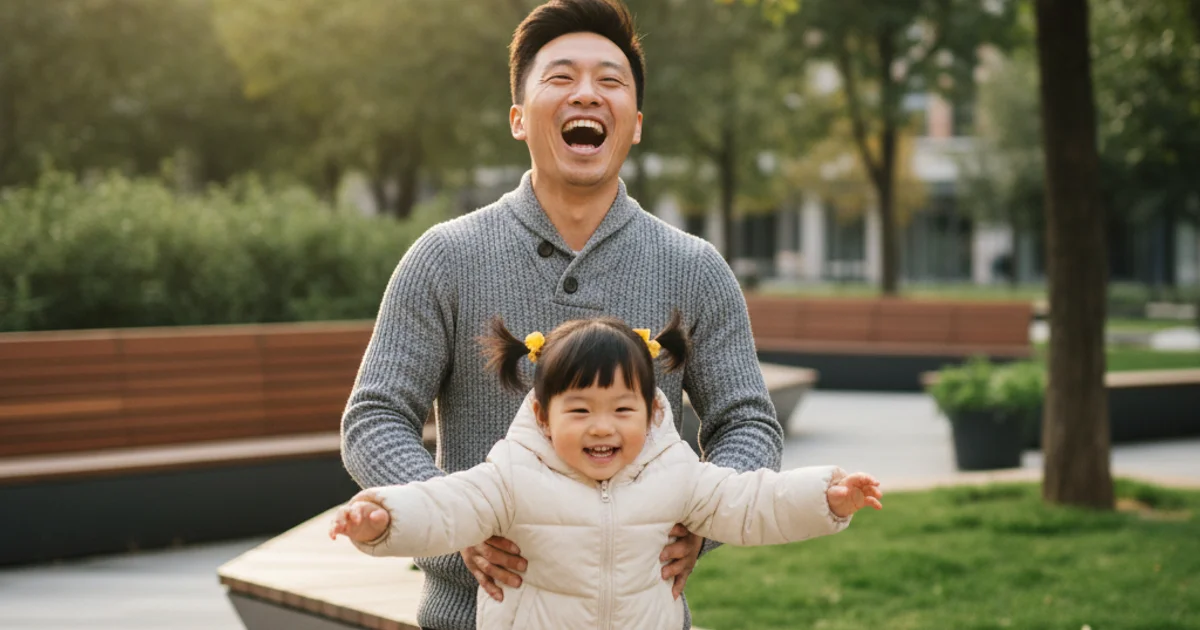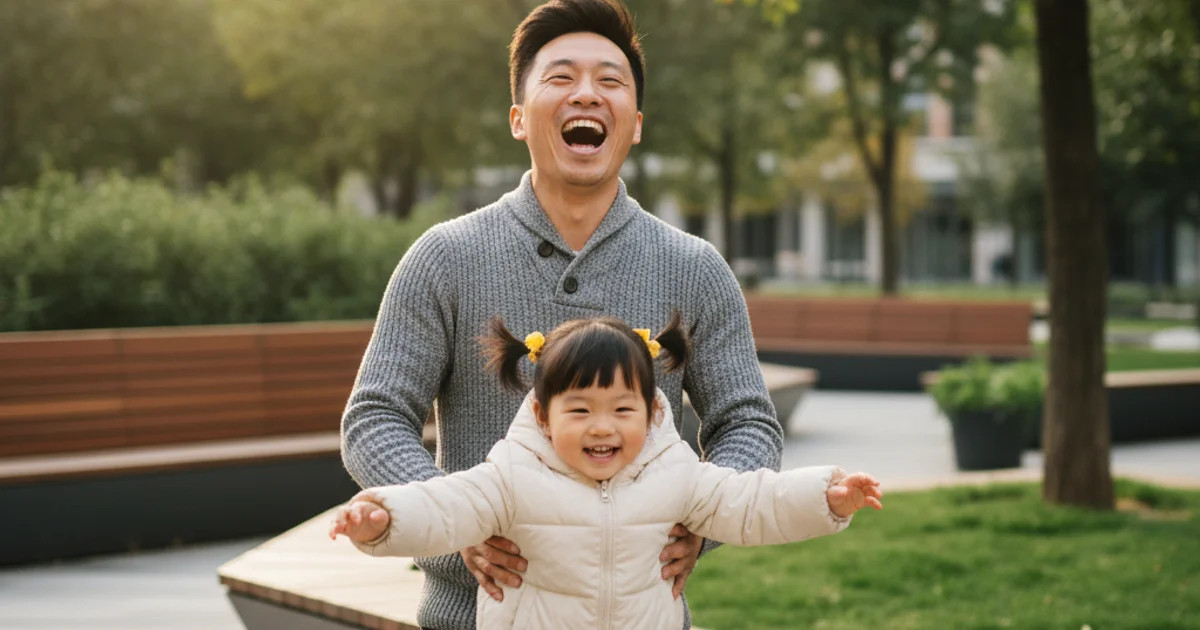
China is known for a traditionally strict parenting style. Discipline, obedience, and academic achievement have for generations been the pillars of Chinese child-rearing. But a new study published in the Journal of Child and Adolescent Psychology in 2025 shows that times are changing.
Warmth Trumps Control
Researchers studied Chinese Gen Z children, those born after 1995, and found something surprising. Children with parents who scored high on warmth but low on control had better social and emotional development than children with traditionally strict parents.
This fundamentally breaks with what has long been the norm in a collectivist society where the needs of the family and community have traditionally outweighed the individual's. Researchers point to globalization, technology, and cultural openness as driving forces behind the shift.
A Generation in Transition
China's one-child policy (1980–2015) created a generation of parents who were themselves only children. Many of them want to give their own children a different upbringing than the one they had. Combined with increased access to Western culture and research through the internet, parenting styles have gradually softened.
That doesn't mean Chinese parents have become permissive. The study shows that warmth and engagement are still central, it's the rigid control and punishment-based discipline that appears to be losing ground.
Interestingly, this mirrors a global trend: from Japan to Brazil, researchers see similar movements toward more relationship-based parenting.
What Do Experts Recommend?
The AAP and most child development researchers have long recommended an authoritative parenting style, a combination of warmth and clear boundaries. There is broad consensus in the field that children need both love and structure, and that physical punishment is never acceptable.
Frequently Asked Questions
What is an authoritative parenting style?
Authoritative parenting means combining warmth and love with clear boundaries and expectations. This approach is recommended by the AAP and major child development researchers because evidence shows children who experience both nurturing and structure develop best socially and emotionally. It's not about being strict or permissive, it's about finding the balance.
Is it better to be kind than strict with your child?
The research from China shows that warmth and engagement are more important than strict control for children's social and emotional development. The consensus in child psychology is to be consistent and warm, to set limits with respect. Neither permissiveness without boundaries nor strict control without warmth yields the best results.
Does this mean you should skip setting limits?
No, the study is not about removing boundaries. It shows that rigid control and punishment-based discipline lead to worse outcomes than a warm, engaged approach. Child development experts are clear that children need predictability and structure, but that limits should be set with explanation and respect, not through fear or punishment.
Are parenting classes available?
Yes, many communities offer parenting programs through pediatricians' offices, hospitals, and social services. Programs such as ICDP (International Child Development Programme) and Circle of Security are widely available and are built precisely on the principles of warm, sensitive parenting with clear boundaries. Ask your pediatrician what's available in your area.
Sources
- AAP. Developmental milestones for children
- CDC. Learn the Signs. Act Early., milestone tracking
- WHO. Child health and development
🔧 Helpful Tools
- Baby Milestones Tracker. Track your baby's developmental milestones
- All Baby Tools. Browse all free tools for pregnancy and baby care
📖 Related Articles
- China: Warm Parents Outperform Strict Ones in New Study. Surprising findings from China: children with warm, less controlling parents develop better socially and emotionally than children with strict parents.